
How to Get Your Florida Crash Report: A Complete Guide for Melbourne and Brevard County Residents
Get your Florida crash report fast! Learn the 3 methods, costs, timelines, & why this document is crucial for your insurance claim or legal case.

Riley Beam
- Florida crash reports cost $12 online and are available within 10 days of your accident through the state portal system.
- Three access methods are available, with online being the fastest and most convenient option for most situations.
- Reports are crucial for insurance claims but may contain errors requiring professional legal review and correction.
Worried About Your Injury Case? We'll Review It - Free!
Getting a Crash Report
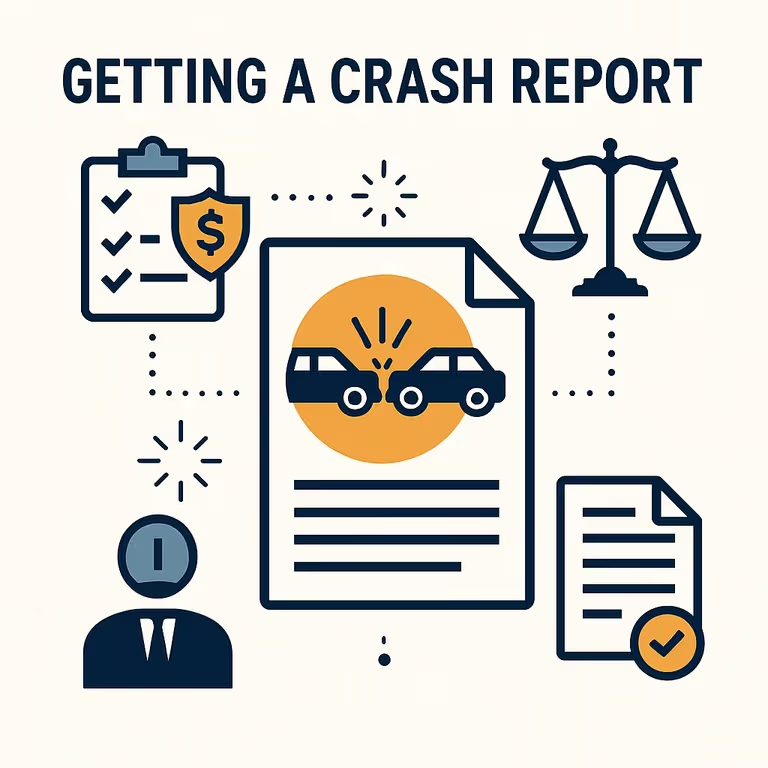
Getting into a car accident is stressful enough without having to navigate Florida's complex crash reporting system afterward. Whether you've been in a fender-bender in Melbourne or a serious collision on I-95, you're probably wondering how to get your hands on the official police report. This document isn't just paperwork. It's often the base of your insurance claim. It's also an important record if you need to take legal action.
If you've been searching for information about obtaining your Florida accident report, you're not alone. Hundreds of Florida residents face this challenge every month, often feeling frustrated by confusing government websites, unclear timelines, and unexpected costs. Many people don't realize that Florida law actually gives you specific rights when it comes to accessing these reports, but the process isn't always straightforward.

Understanding Florida's Crash Reporting Requirements
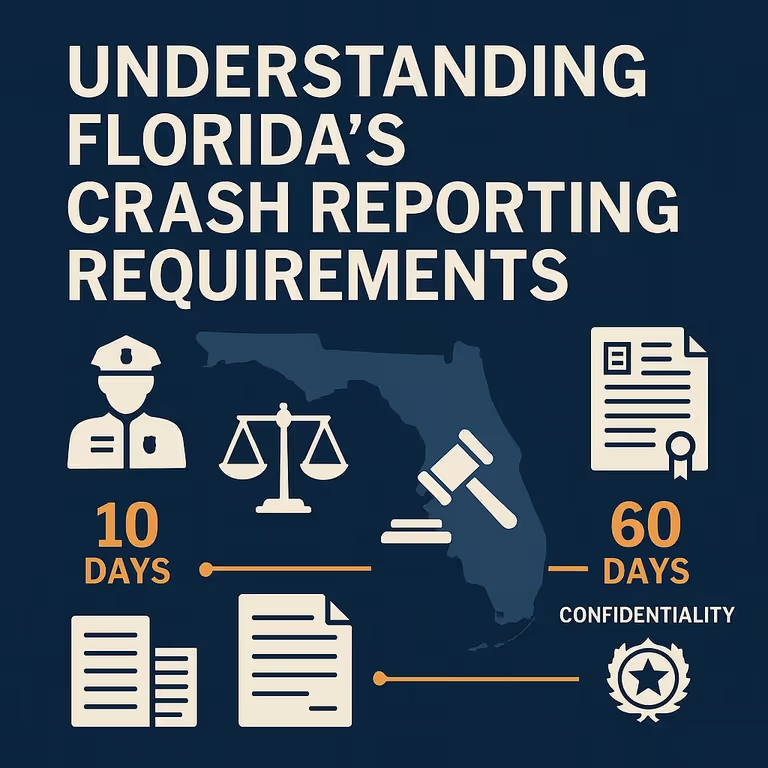
Under Florida Statute 316.066, law enforcement officers are required to complete an official Florida Traffic Crash Report (Long Form) for specific types of accidents. These include crashes involving death or injury, situations where someone complains of pain or discomfort, DUI violations, hit-and-run incidents, or accidents where vehicles need to be towed due to damage. The officer looking into your crash has up to 10 days to send in this report. The 10 days start when the officer finishes the investigation. The report goes to the state's central database.
This report holds key facts that can make or break your insurance claim. It has the officer's account of what happened and diagrams of the crash scene. It lists the names and addresses of witnesses. It also lists any traffic tickets issued. Insurance companies rely heavily on these reports when determining fault and calculating settlement amounts. Without this document, you're missing one of the most useful records about your crash.
Here's something many people don't know: crash reports in Florida are confidential for 60 days after they're filed. During this period, only specific parties can access them, including those involved in the crash, their attorneys, insurance companies with a legitimate interest, and law enforcement agencies. This period protects the personal details of people in the crash. To get the report, you must swear it won't be used to solicit crash victims.
At Douglas R. Beam P.A., our team has analyzed thousands of crash reports while serving Brevard County residents since 1988. We've seen how a thorough, accurate report can strengthen a client's position, and unfortunately, we've also seen how errors or omissions in these reports can complicate otherwise straightforward cases.
Navigating the Florida Crash Portal System
Florida has centralized its traffic crash reporting through the Department of Highway Safety and Motor Vehicles (FLHSMV), which operates the Florida Crash Portal, the state's official online system for purchasing crash reports. While this centralization was meant to simplify the process, many residents still find themselves confused about costs, timelines, and requirements.
The most common source of confusion is the cost structure. If you request your report online through the Florida Crash Portal, you'll pay $12 total: a $10 base fee plus a $2 convenience fee for processing your payment electronically. Many people are surprised by these fees, especially when they're dealing with medical bills and vehicle repairs from their accident.
Another challenge is timing. Officers have up to 10 days after they finish their investigation to send in their reports. But that doesn't mean your report will be ready exactly 10 days after your crash. The availability depends on when the investigating officer completes and submits the report electronically. During busy periods or for complex accidents requiring additional investigation, it might take the full 10 days or occasionally longer.
The 48-hour download window creates additional pressure for many people. Once you purchase your report online, you have exactly 48 hours to download it.
Three Methods to Access Your Crash Report
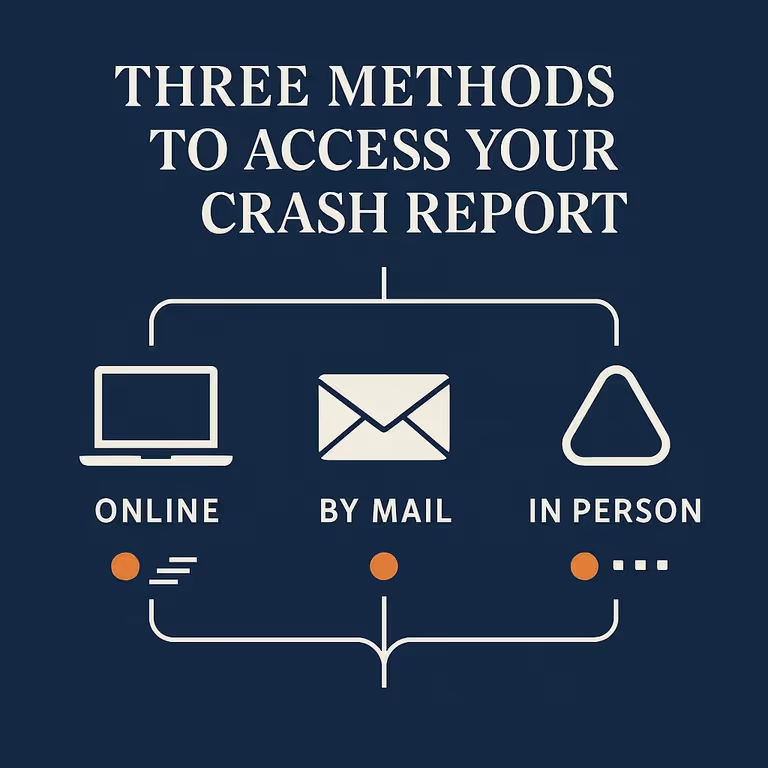
Fortunately, Florida offers three different methods to obtain your crash report, each with distinct advantages depending on your situation and preferences.
Method 1: Online via Florida Crash Portal (Recommended)
The online method is typically the fastest and most convenient option. To use the Florida Crash Portal, you'll first confirm you are eligible to get the report. Then you'll search for it using details about your crash. The system searches the database and displays available reports matching your criteria.
Here's the step-by-step process. Visit the Florida Crash Portal website and confirm you are eligible. Then enter your search details and review the results. When you find your report, add it to your cart and proceed to checkout. You'll pay the $12 total fee ($10 plus $2 convenience fee) using a credit or debit card. Once your payment is confirmed, you can download your report right away using the link sent to your email. It comes as a Zip file that holds PDF files.
Remember, you must download your report within 48 hours of purchase. Save the file to your computer or mobile device immediately, and consider saving multiple copies in different locations for safekeeping.
Method 2: Mail Request
If you prefer traditional mail or don't have reliable internet access, you can request your report by mail to: FL Department of Highway Safety and Motor Vehicles, Crash Records, 2900 Apalachee Parkway, MS 28, Tallahassee, FL 32399.
Your mail request must include your full name and the crash date and location. It must also include a check or money order for $10 and your contact information. It also needs a signed statement for each report you ask for. Mail requests don't include the convenience fee. Processing time for mail requests typically takes 4-6 weeks, significantly longer than online requests.
Method 3: In Person
You can also request your crash report at the FHP Troop Station nearest to where the crash occurred. You must submit a signed statement when requesting your crash report.

Reading Your Report and When to Seek Legal Help
Once you have your Florida crash report in hand, understanding how to read and use it effectively can make a significant difference in your insurance claim or potential legal case. The report usually has several key parts. These include the officer's written summary and a diagram of the crash scene. It also has facts about everyone involved and witness names and addresses. And it lists any tickets or charges filed.
Several warning signs in a crash report suggest you should consider consulting with a personal injury attorney. If the report indicates you were at fault but you believe the officer made an error, if there are significant inconsistencies between the report and your recollection of events, or if the other party was cited for a serious traffic violation, legal guidance can help protect your interests.
Understanding how to obtain your Florida crash report is an important first step in protecting your rights after an accident. While the process has become more streamlined with the online portal system, knowing your options and understanding what to do with the report once you have it can save you significant time, money, and frustration.
If you've been in an accident in Melbourne or anywhere in Brevard County, the experienced team at Douglas R. Beam P.A. can help you obtain and analyze your crash report as part of a comprehensive review of your case. With experience serving Space Coast residents since 1988 and over $1 billion in verdicts and settlements, we understand how to use crash reports effectively in building strong cases for our clients. Contact our Melbourne office for a free consultation where we'll review your crash report at no charge and explain your rights and options moving forward.
Please remember, this article provides general information based on Florida law and is intended for educational purposes only. It does not constitute legal advice and should not be relied upon as such. Every case is unique, and the information here may not apply to your specific circumstances. Reading this article does not create an attorney-client relationship. For advice tailored to your situation, please consult with a qualified attorney.
Not Sure What To Do Next? We Can Help: Fast & Free.


Worried About Your Injury Case?
We'll Review It - Free

Don’t miss an article
Florida law, local insights, and the occasional dog pic.
Delivered straight to your inbox.
More articles
Browse all articlesFree Case Review
Get a complimentary review of your case