
When to Hire a Personal Injury Attorney After Property Damage in Florida
Property damage may indicate serious personal injury claims. Learn when Melbourne accidents need complete legal representation beyond property repair.


Riley Beam
- Property damage often accompanies personal injuries requiring separate legal representation and compensation structures under Florida law.
- Florida's 2023 tort reforms ended most one-way attorney fee awards against your own insurer, but personal injury claims remain time-sensitive.
- Negligence claims from incidents after March 24, 2023, generally have a two-year deadline in Florida, and property damage claims may too, so have a lawyer check your deadlines early.
Worried About Your Injury Case? We'll Review It - Free!

Understanding Property Damage vs. Personal Injury Claims
When someone damages your car in Melbourne or you're injured on someone else's property in Brevard County, the visible property damage is often just the tip of the iceberg. While you're focused on repair estimates and insurance claims, you might be missing critical personal injury aspects that could affect your health and financial future for years to come. Understanding when property damage signals the need for comprehensive personal injury representation can mean the difference between receiving minimal compensation and obtaining the full recovery you deserve.
What Property Damage Really Means for Personal Injury Victims
Property damage rarely occurs in isolation. Whether it's a crushed bumper from a rear-end collision on I-95 or personal belongings destroyed in a slip and fall incident, visible damage to property typically accompanies far more serious harm to the people involved. In Florida's complex legal environment, focusing exclusively on property repair can leave injury victims vulnerable to significant financial losses and inadequate medical care.
Beyond the Surface Damage
Each year in Brevard County, thousands of accidents result in both property damage and personal injuries. A dented car door might cost $3,000 to repair, but the soft tissue injuries from the same collision could require months of physical therapy, lost wages, and ongoing medical treatment worth tens of thousands of dollars. Florida law recognizes these as separate types of harm requiring different legal approaches and compensation structures.
Your vehicle's damaged bumper tells a story about the force of impact that also affected your body. Similarly, property damage in premises liability cases - like a broken fence or damaged personal items - often indicates dangerous conditions that caused significant personal harm. Understanding this connection is crucial for protecting your rights under Florida law.
The Hidden Costs Property Damage Doesn't Cover
Property insurance and property damage claims address only the repair or replacement of damaged items. They cannot compensate you for medical expenses, lost wages during recovery, pain and suffering, rehabilitation costs, or the long-term impact injuries may have on your quality of life and earning capacity.
Consider a common scenario: your car sustains $5,000 in property damage in a Melbourne intersection collision. The at-fault driver's property damage liability covers your vehicle repairs, but what about your emergency room visit, the MRI that revealed disc herniation, ongoing chiropractic treatment, time off work, and the chronic pain that affects your sleep and daily activities? Property damage coverage ends where personal injury compensation begins.
Common Scenarios in Brevard County
Living on Florida's Space Coast brings unique risks that frequently result in both property damage and personal injuries. Recent severe weather events, including Hurricane Milton, created dangerous conditions throughout the Melbourne area that damaged property while simultaneously injuring residents. When strong winds cause tree limbs to fall on vehicles, both the car damage and any occupant injuries require separate legal consideration.
The busy I-95 corridor through Brevard County sees frequent multi-vehicle accidents where property damage is immediately visible but personal injuries may not manifest symptoms for hours or days. Similarly, premises liability incidents at local businesses often involve both damage to personal belongings and slip and fall injuries requiring medical attention.
If you've experienced property damage in an accident or incident, schedule a free consultation with an experienced personal injury attorney to discover whether you have additional compensation rights you haven't yet pursued. Don't let property damage negotiations distract you from protecting your health and financial recovery.
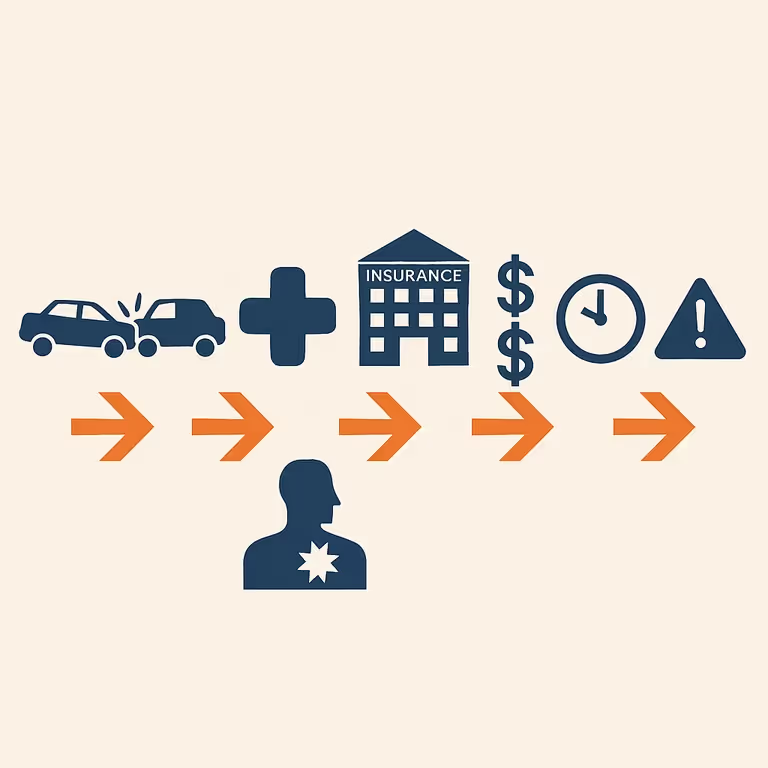
Recognizing When Property Damage Signals Personal Injury Rights
Property damage serves as a visible indicator of the forces and dangerous conditions that often cause serious personal injuries. Understanding these warning signs helps accident victims recognize when they need comprehensive legal representation beyond simple property damage claims.
Car Accident Scenarios
Multi-Vehicle Crashes on I-95 and Melbourne Area Roads
The Interstate 95 corridor through Brevard County experiences heavy traffic volumes that contribute to serious multi-vehicle accidents. When property damage occurs in these crashes, the same forces typically cause significant personal injuries requiring immediate medical evaluation and long-term legal protection. Modern vehicles are designed to absorb impact energy to protect occupants, meaning substantial property damage often indicates even greater forces were applied to the people inside.
Florida's no-fault insurance system requires owners of cars and other four-wheel vehicles registered in Florida to carry Personal Injury Protection (PIP) coverage, but this limited coverage often proves insufficient for serious accident injuries. When property damage exceeds several thousand dollars, the accident forces frequently cause injuries requiring treatment beyond PIP limits, making experienced car accident lawyers essential for pursuing additional compensation from at-fault drivers.
Multi-vehicle crashes also create complex liability scenarios where multiple insurance companies attempt to minimize their responsibility for both property damage and personal injury claims. Having comprehensive legal representation ensures all responsible parties are held accountable for your full damages.
Rear-End Collisions and "Minor" Property Damage
Insurance companies often claim that minor property damage indicates minor injuries, but medical science tells a different story. Whiplash, traumatic brain injury, and disc herniations can occur even when vehicle damage appears minimal. The human body is more fragile than vehicle bumper systems, and delayed injury symptoms are common in rear-end collisions.
Property damage patterns can actually help prove injury mechanisms. A rear-end collision with specific bumper damage patterns may indicate the precise forces applied to occupants' necks and spines. Experienced personal injury attorneys understand how to use property damage evidence to support personal injury claims rather than allowing insurance companies to use minimal property damage as grounds for denying legitimate injury claims.
Premises Accidents in Brevard County
Slip and Fall Cases
When customers fall in stores or public places, they often sustain damage to personal belongings along with serious physical injuries. A smartphone shattered in a fall, torn clothing, or damaged eyeglasses indicate the force of impact that also injured the person. These property losses help document the incident while slip and fall lawyers pursue compensation for medical expenses, lost wages, and other injury-related damages.
Property owners in Florida generally must use reasonable care to keep their premises reasonably safe for the visitors they invite. When dangerous conditions cause both property damage and personal injuries, the property owner may be liable for comprehensive damages including medical treatment, rehabilitation, and lost earning capacity.
Storm and Hurricane Related Incidents
Brevard County's susceptibility to severe weather creates unique premises liability scenarios. Storms can bring heavy rainfall, creating hazardous walking conditions that can cause both property damage and personal injuries. When building managers fail to address storm-related hazards like broken glass, fallen debris, or flooded walkways, they may be liable for resulting damages.
Construction and cleanup activities following hurricane damage also create dangerous conditions. Work injury lawyers handle cases where storm recovery work results in both equipment damage and serious worker injuries requiring comprehensive compensation beyond workers' compensation benefits from a responsible party other than the employer.
Product Defect Cases
Defective Products Causing Dual Damage
When defective products malfunction, they often cause both property damage and personal injuries simultaneously. A defective appliance might damage your kitchen while also causing burn injuries. A faulty automotive component could cause vehicle damage and personal harm in the same incident.
Product liability lawsuits address both types of damage, holding manufacturers responsible for comprehensive losses including property repair, medical expenses, lost wages, and pain and suffering.
With over 40 years serving Brevard County since 1985, Doug Beam has witnessed how property damage cases evolve into significant personal injury claims requiring comprehensive legal representation. His experience with thousands of cases demonstrates why early legal consultation prevents injury victims from overlooking valuable compensation opportunities.
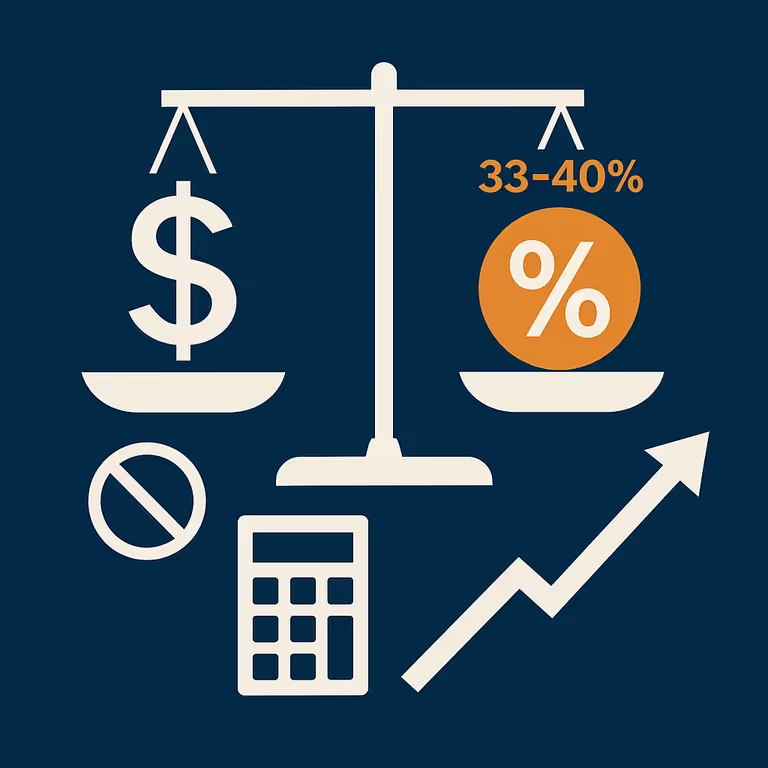
Florida's 2023 Law Changes and Critical Deadlines
The 2023 changes to Florida law have significantly altered the landscape for both property damage and personal injury claims. Understanding these modifications is essential for protecting your rights and making informed decisions about legal representation.
How the 2023 Tort Reform Impacts Property and Personal Injury Claims
2023 HB 837 Changes You Must Know
Florida's 2023 tort reform legislation fundamentally changed how attorney fees work in property damage cases. Previously, a policyholder who won a judgment against their own insurance company could recover attorney fees from it, making legal representation more accessible. The 2023 law repealed this fee-shifting statute for insurance policies issued or renewed after March 24, 2023, meaning claimants now bear greater financial responsibility for legal representation.
This change makes comprehensive personal injury representation even more critical when accidents involve both property damage and personal harm. While claims against your own insurer no longer benefit from that fee statute, any lawsuit for damages, including a personal injury claim, can still lead to an attorney fee award for either side in certain circumstances, such as when a formal offer or demand for judgment is rejected and the judgment turns out at least 25 percent better for the side that made it. Insurance companies understand these changes and use them to their advantage when negotiating settlements.
The elimination of attorney fee recovery in property damage cases took away a tool claimants once had against insurance companies. This shift in the legal landscape means accident victims must be more strategic about which claims to pursue and how to structure their legal representation for maximum effectiveness.
Modified Comparative Negligence Impact
Florida's adoption of a modified comparative negligence system means that if you're found more than 50% at fault for an accident, you cannot recover any damages. This represents a significant change from the previous pure comparative negligence system and affects both property damage and personal injury claims.
Property damage evidence now plays a crucial role in determining fault percentages for personal injury claims. The location and pattern of vehicle damage, photographic evidence from accident scenes, and expert accident reconstruction can determine whether you can recover any compensation at all. Early legal representation helps preserve and properly present this critical evidence.
This fault threshold makes immediate consultation with experienced legal counsel essential. Evidence that seems minor early in the claims process can become crucial for establishing fault percentages that determine your entire recovery.
Statute of Limitations Considerations
Property Damage Deadlines
Florida Statute 95.11 lists a four-year deadline for an action for injuring personal property, but it also sets a two-year deadline for an action founded on negligence, and most crash claims are based on negligence. Which deadline applies to a property damage claim can depend on the facts, so have a lawyer check it early instead of assuming you have four years to pursue compensation for vehicle repair, replacement costs, and other property losses. Assuming you have more time can create a false sense of security that leads to delayed action.
Personal injury claims based on negligence generally must be filed within two years for incidents after March 24, 2023, and older claims and claims against a city, county or state agency follow other rules. This short deadline creates a dangerous trap for accident victims who focus on property damage restoration while their personal injury rights expire. Missing the two-year personal injury deadline eliminates your ability to recover medical expenses, lost wages, pain and suffering, and other injury-related damages regardless of how clear fault might be.
Florida starts the clock later only for the few kinds of claims the statutes list, such as fraud, products liability and medical malpractice, so do not count on extra time for an injury that is not immediately apparent. Some injury types, particularly traumatic brain injuries and spinal disc problems, may not manifest symptoms until weeks or months after the accident.
Critical Timing Strategy
Successful case management requires understanding how property damage investigations and personal injury claim development work together within their respective limitation periods. Property damage adjusters often encourage quick settlements to prevent injury victims from consulting with personal injury attorneys who might identify additional compensation opportunities.
Insurance Bad Faith Protections
Florida Statute 624.155 Rights
When insurance companies handle property damage or personal injury claims in bad faith, Florida law provides additional remedies beyond the original claim value. Bad faith can include not trying in good faith to settle a claim when the insurer could and should have, denying claims without a reasonable investigation, failing to adopt standards for properly investigating claims, or failing to act promptly on claim communications, but mere negligence alone is not bad faith.
Insurance bad faith protections apply to both property damage and personal injury claims, but proving bad faith requires careful documentation and legal expertise. Practices the law lists as unfair include misrepresenting pertinent facts or policy provisions, failing to promptly explain in writing why a claim was denied or a compromise offered, and failing to clearly explain what information is requested and why it is needed.
Bad faith damages can include damages that are a reasonably foreseeable result of the insurer's violation, such as additional medical expenses incurred due to delayed treatment or extra rental car costs from delayed property damage settlements, and can exceed the policy limits. Punitive damages are available only when the insurer's violations happen often enough to show a general business practice and are willful, wanton and malicious or in reckless disregard of the insured's rights.
Brevard County's hurricane history creates unique situations where insurance companies may be tempted to exploit disasters by applying stricter claim standards or denying coverage that should be available for both property damage and personal injury claims.
Don't let property damage negotiations distract you from personal injury rights that may be more valuable and time-sensitive. Call Doug Beam Law at (321) 723-6591 for a free consultation to review all your legal options before important deadlines expire.

Selecting Experienced Personal Injury Representation
When accidents result in both property damage and personal injuries, selecting legal representation requires careful consideration of experience, resources, and approach to comprehensive case management.
Why Experience with Both Property and Personal Injury Matters
Comprehensive Case Management
Effective representation in cases involving both property damage and personal injuries requires coordinating multiple claim types, dealing with different insurance adjusters simultaneously, and ensuring that settlement negotiations for one aspect of your case don't adversely affect other claim components. Insurance companies often try to settle property damage quickly to prevent injury victims from understanding the full scope of their rights.
A law firm with experience in both areas understands how property damage evidence supports personal injury claims and how to preserve critical information that might otherwise be lost during vehicle repairs or property restoration. Damage patterns, photographic evidence, and witness statements serve different purposes in property versus personal injury claims but must be collected and preserved with both uses in mind.
Strategic case management also involves understanding how different insurance coverage types interact and which claims should be pursued first to maximize overall recovery while staying within applicable statutes of limitations.
Florida Law Expertise Requirements
The 2023 tort reform changes significantly affect how attorneys approach cases involving both property damage and personal injury components. Experienced Florida personal injury attorneys understand how law changes impact fee structures, liability determinations, and strategic claim presentation.
Florida's no-fault insurance system creates additional complexity requiring specific expertise in PIP benefit coordination, threshold injury requirements, and interaction between first-party and third-party claims. Understanding Florida's no-fault system is essential for maximizing recovery while avoiding common pitfalls that can reduce compensation.
Local court experience in Brevard County provides practical advantages when cases proceed to litigation. Knowledge of local judges, jury tendencies, and court procedures can significantly affect case outcomes and settlement negotiation leverage.
Track Record and Local Experience
Proven Results in Melbourne and Brevard County
With over $1 billion in verdicts and settlements, Douglas R. Beam P.A. has demonstrated the capacity to handle complex cases requiring substantial resources and expert witness testimony. The firm's landmark $28.5 million brain injury verdict in Melbourne demonstrates their ability to achieve exceptional results for seriously injured clients.
Since 1985, Doug Beam has worked on thousands of cases throughout Central Florida, developing deep understanding of local legal procedures, insurance company practices, and the specific challenges facing Brevard County residents. This experience translates to more effective representation and better case outcomes.
The firm's track record includes success in cases involving multiple insurance companies, complex liability scenarios, and coordination between property damage and personal injury claims. This comprehensive experience helps clients avoid common mistakes that can reduce recovery or eliminate valuable claims entirely.
Cost Considerations After 2023 Law Changes
Contingency Fee Benefits for Personal Injury
Personal injury cases at Douglas R. Beam P.A. are handled on a contingency fee basis, meaning clients pay no attorney fees unless the case results in recovery. This fee structure eliminates upfront costs and aligns the attorney's interests with achieving the best possible outcome for clients. If the case is unsuccessful, clients owe no attorney fees, though certain costs may apply.
Understanding contingency fee arrangements helps clients make informed decisions about legal representation. The contingency structure makes experienced legal representation accessible to injury victims who might otherwise be unable to afford quality legal services.
Law changes affecting fee recovery in property damage cases make contingency representation even more valuable for comprehensive cases involving both property damage and personal injury claims. Clients receive experienced representation for all aspects of their case without upfront legal fee obligations.
Free Consultation Value
The initial consultation provides comprehensive case evaluation that goes far beyond property damage assessment. During this meeting, experienced attorneys identify all potential claims, explain applicable deadlines, and provide clear information about legal options and expected timelines.
This evaluation often reveals compensation opportunities that injury victims haven't considered, such as uninsured motorist coverage, bad faith claims against insurance companies, or liability claims against parties not immediately obvious at the accident scene.
What to Expect During Representation
Immediate Action Items
Experienced personal injury attorneys immediately focus on evidence preservation, ensuring that critical information isn't lost during property repairs or insurance company investigations. This includes securing accident scene photographs, obtaining police reports, identifying witnesses, and preserving vehicle damage evidence that supports injury claims.
Medical evaluation coordination helps ensure that all injuries receive prompt, appropriate treatment while creating the medical documentation necessary to support compensation claims. Attorneys can refer clients to qualified medical providers and help coordinate treatment scheduling to minimize delays in care.
Insurance company communication management relieves clients of the burden of dealing with multiple adjusters while preventing statements that might harm their cases. All communication with insurance companies goes through the attorney's office, ensuring that clients' rights are protected throughout the claims process.
Ongoing Case Management
Effective representation includes coordinating property damage settlements with ongoing personal injury claims to ensure that accepting property damage compensation doesn't prejudice other aspects of the case. The timing and structure of settlements requires careful planning to maximize overall recovery.
Medical provider coordination and bill management helps clients navigate treatment while ensuring that medical expenses are properly documented and pursued through appropriate insurance coverage. Attorneys work with medical providers to ensure continuity of care while protecting clients' financial interests.
Regular communication keeps clients informed about case progress, upcoming deadlines, and developments in their claims. Clients receive regular updates about settlement negotiations, medical evaluations, and any changes in their legal position.
Ready to explore your full legal options beyond property damage? Contact our Melbourne office to schedule your free consultation with experienced personal injury attorneys who understand both the immediate property damage concerns and long-term injury implications of your case.

Frequently Asked Questions About Complex Claims
Can I pursue both property damage and personal injury claims from the same incident?
Yes, these are separate types of compensation under Florida law. Property damage covers repair or replacement of damaged vehicles, personal belongings, and other tangible items. Personal injury compensation addresses medical expenses, lost wages, pain and suffering, rehabilitation costs, and future impacts from your injuries, though in most car crash cases pain and suffering damages require a permanent injury or another serious injury the no-fault law lists. An experienced personal injury attorney can help you pursue both types of claims simultaneously while ensuring that settlement of one doesn't prejudice your rights to the other.
How long do I have to file a personal injury claim if my property was also damaged?
In Florida, a negligence lawsuit for a personal injury generally must be filed within two years for incidents after March 24, 2023, under Florida Statute 95.11. Property damage claims may fall under that same two-year negligence deadline, even though the statute lists four years for injuring personal property, so have a lawyer check both deadlines early. The two-year timeline makes early legal consultation critical - don't let property damage negotiations delay your injury claim filing. Missing the two-year personal injury deadline eliminates your ability to recover medical expenses, lost wages, and other injury-related damages regardless of fault.
Will my property damage insurance cover my medical expenses?
Generally no. Property damage insurance covers vehicle or property repair and replacement costs. Your medical expenses require separate coverage through Florida's mandatory PIP (Personal Injury Protection) insurance, health insurance, or personal injury claims against responsible parties. PIP coverage is limited and often insufficient for serious injuries, making additional personal injury claims essential for full recovery.
What if the insurance company says my property damage was minor so my injuries can't be serious?
This is a common insurance company tactic designed to minimize payouts. Minor property damage can still result in serious injuries, particularly soft tissue injuries, whiplash, or traumatic brain injury. Modern vehicles are designed to absorb impact energy, so minimal vehicle damage doesn't necessarily indicate minimal force applied to occupants. Medical evaluation and legal representation help establish the true extent of your injuries independent of property damage severity.
Do I need an attorney if the insurance company already agreed to fix my property damage?
A property damage settlement may not address potential personal injury claims, which may be far more valuable than property repairs. Before you sign any release, have a lawyer review it, because a signed release may be enforced even if you later change your mind. Insurance companies often try to settle property damage quickly to prevent you from discovering injury-related compensation rights or consulting with personal injury attorneys. A free consultation can reveal whether you're missing significant compensation opportunities for medical expenses, lost wages, pain and suffering, and future injury impacts.
What happens to my case if I'm found partially at fault for the accident?
Under Florida's modified comparative negligence system adopted in 2023, if you're found more than 50% at fault, you cannot recover any damages. If you're 50% or less at fault, your compensation is reduced by your percentage of fault. For example, if you're 30% at fault for an accident causing $100,000 in total damages, your recovery would be reduced to $70,000. This makes early legal representation crucial for proper evidence preservation and fault analysis.
Property damage in Melbourne and throughout Brevard County often signals much more significant legal issues requiring experienced personal injury representation. While insurance companies focus on minimizing property damage payouts, they're simultaneously working to prevent you from recognizing valuable personal injury claims. With Florida's 2023 legal changes and complex insurance landscape, protecting your rights requires attorneys who understand both property damage recovery and comprehensive personal injury law.
The visible damage to your car, personal belongings, or other property tells only part of your story. The more important chapters involve your health, recovery, financial stability, and future quality of life - all of which require different legal expertise and compensation structures than simple property repair. Don't let the immediate focus on property damage prevent you from pursuing the comprehensive legal representation that protects your long-term interests.
Taking Action to Protect Your Full Legal Rights
Whether you've been in a car accident on I-95, experienced a slip and fall at a Melbourne business, or suffered injuries during storm cleanup, the intersection of property damage and personal injury claims requires careful legal navigation. Understanding your rights under Florida law and the impact of the 2023 legislative changes can mean the difference between minimal recovery and comprehensive compensation for all your losses.
Remember that insurance companies are businesses focused on minimizing payouts, not maximizing your recovery. Their quick settlement offers for property damage often serve to prevent you from discovering more valuable personal injury rights. Time is critical. Personal injury claims based on negligence must generally be filed within two years for incidents after March 24, 2023, under Florida Statute 95.11, and property damage claims may have the same deadline.
The experienced personal injury attorneys at Douglas R. Beam P.A. have helped thousands of Brevard County residents navigate these complex intersections of property damage and personal injury law. Since 1988, the firm has secured over $1 billion in verdicts and settlements, including landmark cases like the $28.5 million brain injury verdict that demonstrates their capacity to handle the most serious and complex injury cases.
Don't let property damage distract you from protecting your health, financial recovery, and future quality of life. Contact Douglas R. Beam P.A. at (321) 723-6591 or through our contact form for a free consultation that explores all your legal options, not just property repair costs.
Sources and Further Reading
- Property Damage Statute of Limitations in Florida: Nolo
- Florida Property Damage Lawsuit Guide: Landau Law Group
- Florida Statute 624.155 - Insurance Bad Faith Law: FL Senate
- Florida Property Damage Laws Favor Insurance Companies: Need Reed
- Attorney Fees Changes in Florida 2023: Hunter Law Group
- Brevard County Weather Events: National Weather Service
- Property Damage After Car Accidents: Goldberg Law
- Florida Bar Attorney Fees Information: FL Bar Consumer Guide
This article provides general information and is not a substitute for legal advice. Laws can change, and the details of your situation matter. For personalized guidance, please contact a qualified Florida personal injury attorney.
Not Sure What To Do Next? We Can Help: Fast & Free.


Worried About Your Injury Case?
We'll Review It - Free

Don’t miss an article
Florida law, local insights, and the occasional dog pic.
Delivered straight to your inbox.
More articles
Browse all articlesFree Case Review
Get a complimentary review of your case