
Doug Beam Joins Florida Today Panel on Picking Judicial Candidates
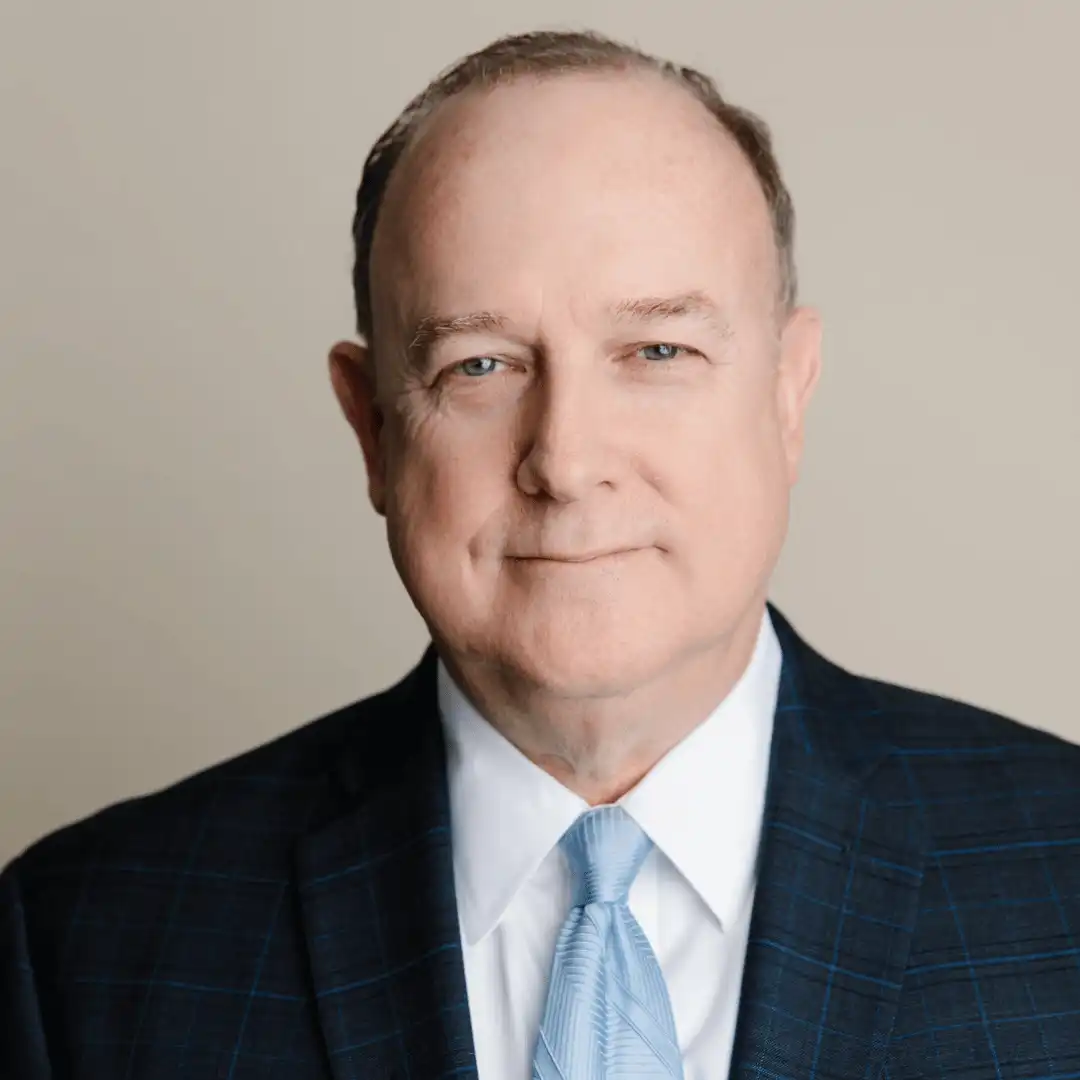
Doug Beam joined a FLORIDA TODAY panel in Rockledge on how to research judicial candidates. Here is what Brevard voters should know before Aug. 18.
.webp)
Riley Beam
- FLORIDA TODAY invited Doug Beam to sit on a community panel about how voters can evaluate judicial candidates, alongside a public defender and a criminal defense attorney.
- Judicial candidates in Florida operate under Canon 7 of the Code of Judicial Conduct, which bars them from disclosing party affiliation, promising how they will rule, or personally asking anyone for money.
- Voters can still learn a great deal about a judicial candidate through Florida Bar disclosure statements, courtroom experience, and the reputation a lawyer earns among other lawyers.
Worried About Your Injury Case? We'll Review It - Free!

The Panel
On Thursday, Aug. 6, FLORIDA TODAY and the Unitarian Universalist Friendship Fellowship hosted a community forum in Rockledge on one of the most quietly frustrating parts of any Florida ballot: the judicial races. Columnist John A. Torres put the problem plainly in his column announcing the event, describing voters who reach the judicial section of the ballot and essentially guess.
Torres invited three local attorneys to help sort it out. Public defender Mike Pirolo, who was instrumental in the exoneration of William Dillon, and criminal defense attorney Scott Robinson joined the panel. So did our founder, Doug Beam, who Torres described as the "lawyer's lawyer" for how often he represents other attorneys and handles ethics cases.
That description is important, because it explains why the invitation came in the first place. When a lawyer has a problem, they need someone who understands not just the law but the culture of the courthouse: who the judges are, how they run their dockets, what they expect from the attorneys in front of them. Nearly four decades of trying cases in Brevard County builds that kind of knowledge. It is the same knowledge that makes a panel like this one useful to voters.
Why Judicial Races Are So Hard to Research
Voters are not imagining the difficulty. Judicial candidates in Florida are held to a different standard than every other name on the ballot, and the rules are found in Canon 7 of the Florida Code of Judicial Conduct.
Judicial races in Florida are nonpartisan, and candidates may not publicly or privately identify their political party. They may discuss their judicial philosophy, which can hint at a worldview, but that is the limit. They also cannot pledge or promise how they would rule on particular cases or disputed legal issues, which is precisely the kind of answer voters are used to getting from candidates in other races.
The fundraising rules are just as strict. Under Canon 7C(1), a judicial candidate may not personally solicit campaign funds and instead must work through a committee of responsible persons. The United States Supreme Court upheld that restriction in Williams-Yulee v. Florida Bar in 2015, finding that Florida has a compelling interest in preserving public confidence in the integrity of its judiciary.
There is one Canon 7 rule Torres singled out for praise, and we agree with him: judicial candidates must be truthful, and may not knowingly misrepresent their identity, qualifications, current position, or any fact about themselves or an opponent.
What Voters Can Actually Look At
The restrictions narrow what candidates can say. They do not leave voters without tools.
The Florida Bar maintains a nonpartisan voter resource called The Vote's in Your Court, which explains the difference between contested judicial elections and merit retention, and hosts voluntary self-disclosure statements from county and circuit court candidates covering their background, qualifications, and experience. Those disclosures are often the single most useful document available on a judicial candidate. Sample ballots and candidate lists are available from the Brevard County Supervisor of Elections at VoteBrevard.gov.
Beyond the paperwork, the questions worth asking are practical ones. How much time has this candidate actually spent in a courtroom, and on which side? Do they have experience with the kind of cases the seat handles, whether that is felony trials, family matters, or civil disputes? What do the lawyers who appear in front of them say? Temperament, preparation, and patience are not on any ballot, but they shape how a case goes for everyone involved.
Those instincts are not so different from the ones we write about when people are choosing a lawyer rather than a judge. If you want the longer version, we’ve covered how to pick a personal injury lawyer and the warning signs of an incompetent attorney in detail. In both cases, the shortcut is the same: look at real experience, not advertising.
Why This Matters to Our Clients
Judges decide whether evidence comes in. They rule on the motions that can narrow a case or end it. They set the tone of a trial. For a family pursuing a personal injury or wrongful death claim, the judge assigned to the case is one of the most consequential facts about it, and it is a fact nobody gets to choose after the filing.
That is one reason we take part in events like this one. Serving our community means more than trying cases. It means showing up when neighbors have questions about how the system works, even when there is no client and no fee attached. It is also why we are candid with clients about when a case should go to trial and when it should not.
Brevard County's primary election is Tuesday, Aug. 18, 2026. If you have not looked at your sample ballot yet, it is worth ten minutes.
If you have a legal question of your own, our consultations are free. Contact us or call (321) 723-6591.
Sources
- Torres, John A. "How do you pick a judge? That's the ballot mystery we'll tackle. Join us." FLORIDA TODAY, Aug. 3, 2026.
- The Florida Bar. "The Vote's in YOUR COURT."
- Williams-Yulee v. Florida Bar, 575 U.S. 433 (2015). Legal Information Institute, Cornell Law School.
- Brevard County Supervisor of Elections
- Brevard County Supervisor of Elections. "2026 Primary Sample Ballots."
Not Sure What To Do Next? We Can Help – Fast & Free.
.webp)


Worried About Your Injury Case?
We'll Review It - Free

Don’t miss an article
Florida law, local insights, and the occasional dog pic.
Delivered straight to your inbox.
More articles
Browse all articles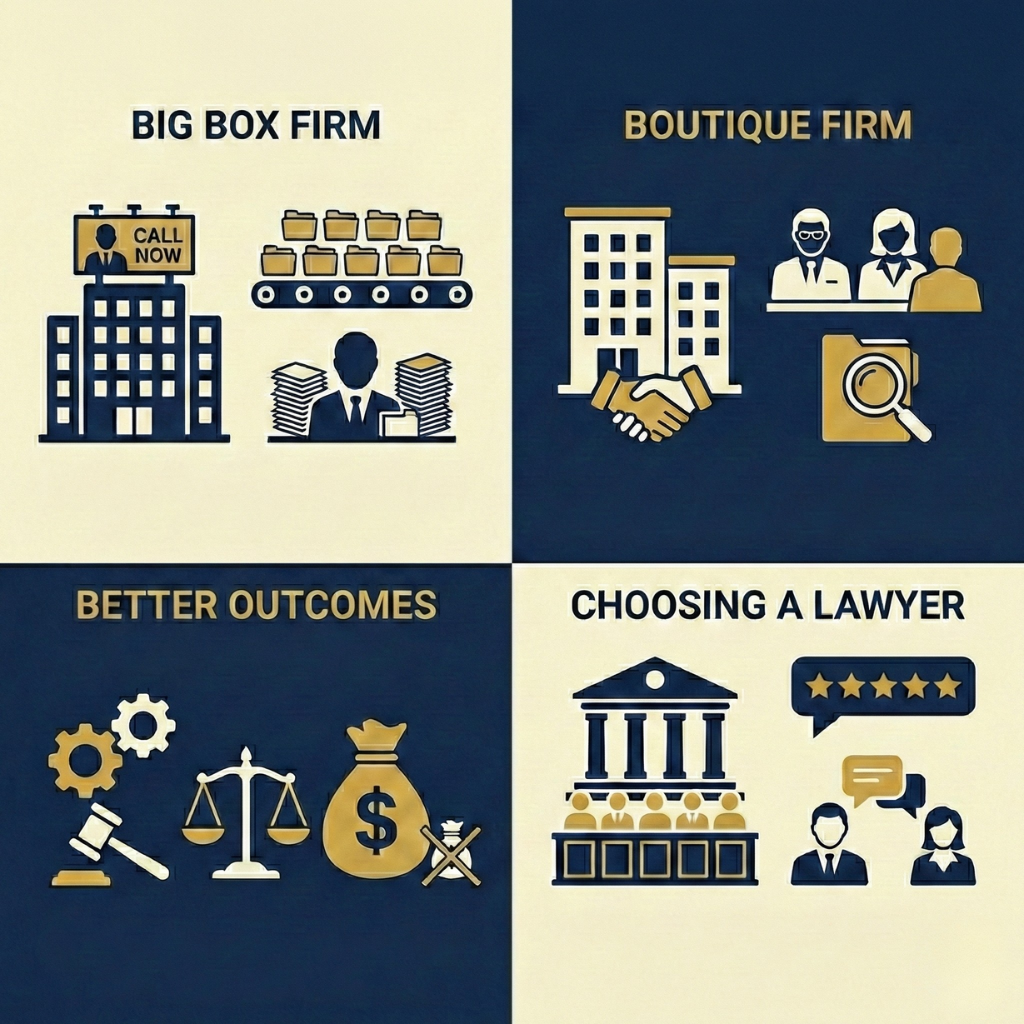
.png)



Free Case Review
Get a complimentary review of your case