
When to Go to Trial: A Guide to Taking Your Personal Injury Case to Court
Learn when it makes sense to take a personal injury case to trial in Florida. Understand the factors, steps, and rules that affect your decision.
.webp)
Riley Beam
- Only a small share of injury cases go to trial, but preparing for trial from day one can strengthen your position in settlement talks.
- Florida’s 2023 tort reform law (HB 837) shortened the statute of limitations for most negligence claims to two years and changed fault rules, making strategic legal guidance more critical than ever.
- The decision to go to trial should be based on the strength of your evidence, the fairness of the settlement offer, and the full value of your injuries, not fear or impatience.
Worried About Your Injury Case? We'll Review It - Free!

Why Most Cases Settle and Why Some Shouldn’t
If you’ve been hurt in an accident and you’re wondering whether your case will end up in a courtroom, here’s the reality: the vast majority of personal injury cases never make it to trial. According to data from the U.S. Department of Justice’s Bureau of Justice Statistics, trials accounted for about 3 percent of the tort, contract, and real property cases that state general jurisdiction courts disposed of in 2005, among the courts that reported those totals. Cases that do not go to trial end in other ways, many through a settlement reached after a lawsuit has been filed but before anyone steps foot in a courtroom.
That statistic tells an important story about how our legal system works. Settlements are generally faster, less expensive, and less stressful for everyone involved. Insurance companies prefer them because they limit unpredictable outcomes. Plaintiffs often prefer them because they guarantee compensation without the risk of walking away empty-handed. As we explain in our overview of the personal injury claims process in Florida, most cases follow a fairly predictable path from medical treatment and investigation through demand letters and negotiation.
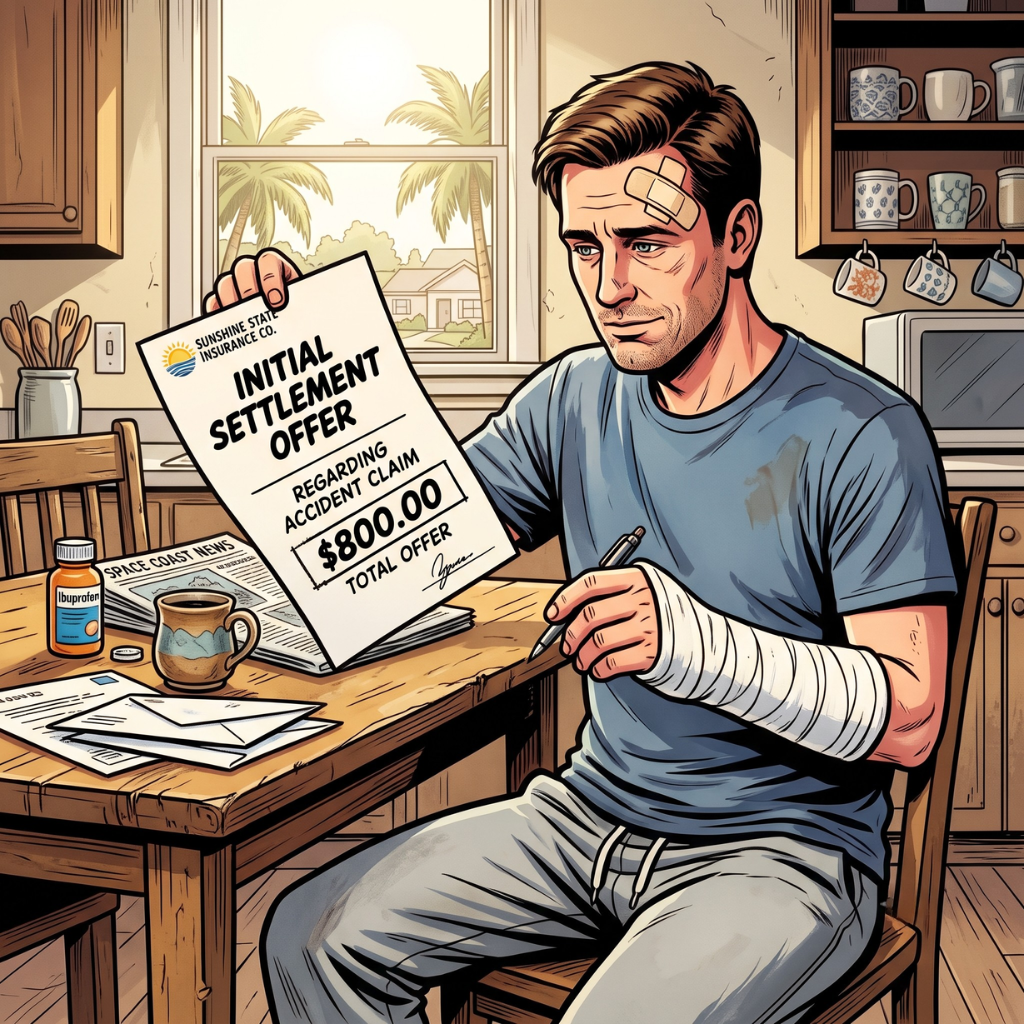
But “most cases settle” doesn’t mean your case should settle, at least not at any price. Sometimes the insurance company’s offer is simply too low to cover your medical bills, lost wages, and the long-term impact of your injuries. Sometimes the other side disputes who was at fault. And sometimes, a case involves such serious harm that only a jury can determine what fair compensation looks like. In those situations, going to trial isn’t just an option. It may be the best path to the outcome you deserve.
Factors That Make Trial the Right Choice
The single most common reason personal injury cases go to trial is a gap between what the insurance company is willing to pay and what the case is actually worth. Insurance adjusters are trained to minimize payouts. They may dispute the severity of your injuries, argue that your medical treatment was excessive, or claim that a pre-existing condition is responsible for your symptoms. When their offer doesn’t come close to covering your actual losses (past and future medical expenses, lost earning capacity, pain and suffering), trial becomes a serious consideration. At Douglas R. Beam, P.A., we fight for the full value of every case, not just what the insurer offers before our firm gets involved. That often means being willing to go to trial when the numbers don’t add up.
Clear liability that the insurer still disputes is another strong reason to take a case to court. Maybe surveillance footage captured the entire accident, or multiple witnesses corroborated your account. When the evidence of fault is overwhelming and well-documented, the risk of losing at trial is lower, which can make a jury verdict the smarter bet, especially if the insurance company is playing hardball.
Cases involving catastrophic or life-altering injuries also tend to benefit from trial. Traumatic brain injuries, spinal cord damage, permanent disability, and wrongful death often carry damages that extend far into the future. Lifetime medical care, loss of earning capacity, and profound changes to quality of life can add up to figures that insurers are reluctant to pay voluntarily. Juries, however, can award compensation that reflects the full scope of harm including significant non-economic damages for pain, suffering, and loss of enjoyment of life. Our brain injury attorneys have extensive experience presenting these complex damages at trial.
Finally, trial may be necessary when the defendant simply refuses to accept responsibility. Under Florida’s modified comparative negligence system, which took effect with HB 837 in March 2023, fault percentages matter enormously. If the defendant can convince a jury that you were more than 50 percent at fault, you recover nothing. But if the evidence supports your case, a trial gives you the opportunity to prove liability before an impartial jury.
What Happens Before the Decision to Go to Trial
No personal injury case starts in a courtroom. Trial is the last step in a long process, and a significant amount of legal work happens well before anyone considers picking a jury.
After an accident, the first priorities are your health and preserving evidence. Your attorney will gather police reports, medical records, photographs of the accident scene, and witness statements. Meanwhile, you focus on following your treatment plan, both for your recovery and because your medical records become some of the most important evidence in your case. In Florida, if you’ve been in an auto accident, you must get initial care within 14 days from a provider type the PIP law lists to qualify for Personal Injury Protection (PIP) medical benefits under the state’s no-fault insurance system. We walk through this timeline in our guide to the personal injury claims process.
Once your medical condition has stabilized or at least once the full extent of your injuries is understood, your attorney sends a demand letter to the at-fault party’s insurance company. This letter outlines the facts of the case, the legal basis for liability, and the total damages you’re claiming. The negotiation process that follows can take weeks or months. Insurance companies frequently respond with lowball offers, dispute medical costs, or try to shift fault onto you. Many cases resolve during this phase, but not all.
If negotiations reach an impasse, the next step is filing a lawsuit. Under Florida law (Fla. Stat. § 95.11), you now generally have just two years from the date of injury to file a personal injury lawsuit based on negligence. This deadline was reduced from four years by HB 837 for accidents occurring after March 24, 2023. Filing a lawsuit doesn’t necessarily mean your case is going to trial. In fact, many cases settle after a lawsuit is filed, sometimes because the act of filing signals to the insurance company that you’re serious about pursuing full compensation.
After a lawsuit is filed, both sides enter the discovery phase, where each party exchanges information and evidence. Discovery typically includes written questions answered under oath (interrogatories), sworn testimony taken outside of court (depositions), and requests for documents such as medical records, employment records, and insurance policies. This phase is often the most time-consuming part of litigation, but it serves a critical purpose: it forces both sides to lay their cards on the table and allows your attorney to identify strengths and weaknesses in the opposing side’s case.
Before a case reaches trial, Florida courts generally require the parties to attempt mediation. This is a structured negotiation facilitated by a neutral third party. Mediation is confidential and non-binding, meaning neither side is forced to accept a resolution. However, it has a strong track record of resolving disputes. The mediator helps both parties realistically assess their positions, and many cases that seemed destined for trial are resolved during these sessions.
What Happens During a Personal Injury Trial
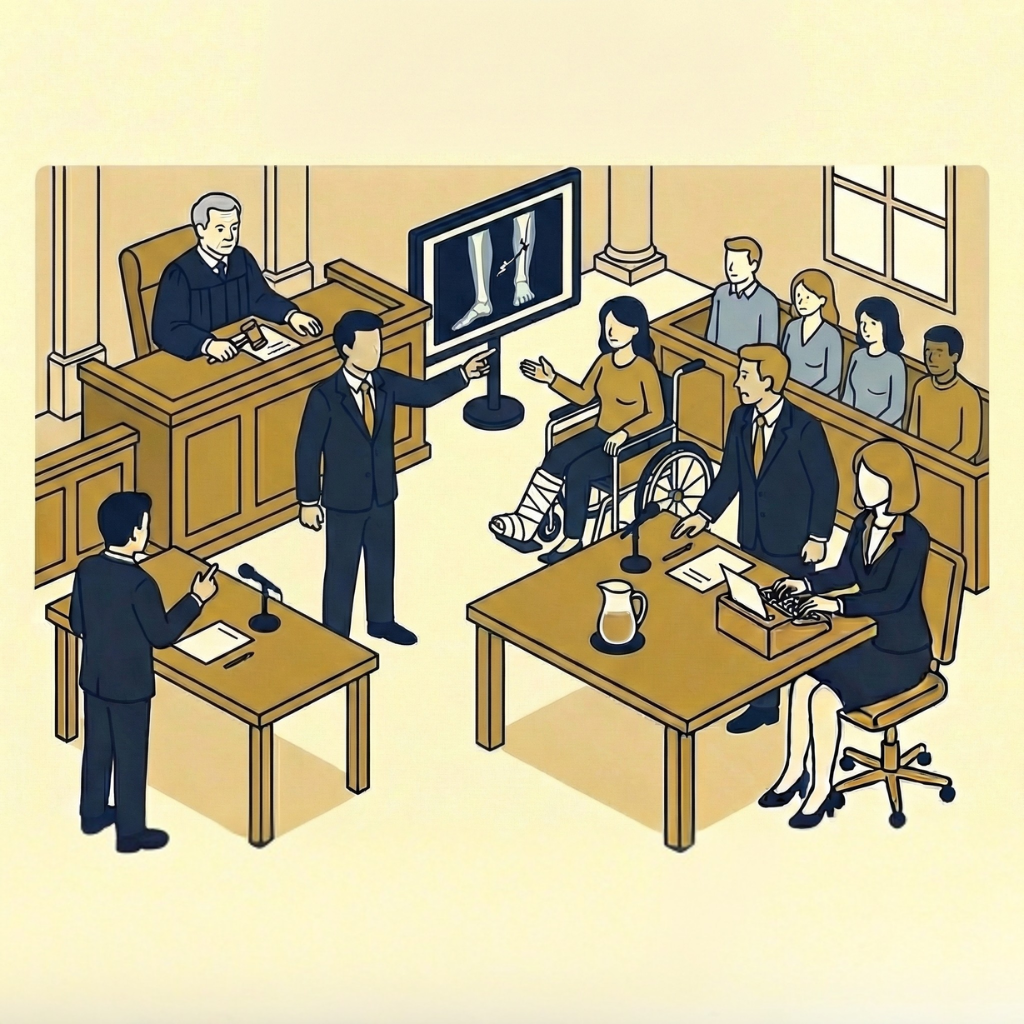
If mediation doesn’t produce an acceptable resolution, the case proceeds to trial. Understanding what happens in a Florida courtroom can help you feel prepared and confident about the process.
The trial begins with jury selection, known as voir dire. In Florida, most personal injury trials are decided by a jury of six members. Attorneys for both sides question potential jurors to identify any biases or conflicts of interest. Jurors can be dismissed “for cause” if they demonstrate an inability to be fair, and each side also has a limited number of peremptory challenges to remove jurors without stating a reason. Selecting the right jury is one of the most important strategic decisions in any trial.
Once the jury is seated, both sides present opening statements, an overview of what they intend to prove. The plaintiff’s attorney goes first, explaining how the defendant’s actions caused the injury and outlining the compensation being sought. The defense then presents its perspective. The heart of the trial involves presenting evidence. Your attorney will introduce medical records, accident reports, expert testimony, and witness statements to establish the defendant’s liability and the extent of your damages. Expert witnesses can be critical in cases involving serious injuries or disputed future costs. These can include medical professionals, accident reconstruction specialists, and economists. The defense will cross-examine your witnesses and may present its own evidence and experts.
After both sides have presented their cases, attorneys deliver closing arguments summarizing the evidence and urging the jury toward their client’s position. The jury then deliberates in private. If the jury finds in your favor, they will determine the amount of compensation you’re owed. Under Florida’s modified comparative negligence system, if the jury finds that you share some fault for the accident (but 50 percent or less), your award will be reduced by your percentage of responsibility. For example, if the jury awards $500,000 but finds you were 20 percent at fault, your net recovery would be $400,000.
What Happens After a Verdict
A jury verdict isn’t always the final chapter. Understanding the post-trial process helps set realistic expectations about what comes next.
After a verdict, either side may file post-trial motions asking the judge to modify or overturn the jury’s decision. The losing party can also appeal the verdict to a higher court, arguing that legal errors occurred during the trial. Appeals can add months or even years to the timeline. However, most cases reach a final resolution relatively quickly after a verdict, because the trial process tends to clarify the issues in dispute.
If the verdict is in your favor and no appeal is filed or the appeal is unsuccessful, the next step is collecting your award. In straightforward cases, the defendant’s insurance company pays the judgment. In more complex situations, particularly when the award exceeds policy limits, additional legal steps may be necessary to ensure you receive the full amount. It’s also worth noting that settlements can happen even after a verdict. Sometimes a defendant who faces a large jury award will negotiate a post-verdict settlement to avoid the cost and uncertainty of an appeal. Your attorney can advise you on whether accepting a post-verdict settlement makes sense given the specific circumstances of your case.
How Florida Law Affects the Trial Decision
Florida’s legal landscape has changed significantly in recent years, and those changes directly affect the decision of whether to go to trial.
HB 837, signed into law on March 24, 2023, reduced the statute of limitations for most negligence-based personal injury claims from four years to two years. This shorter window applies to causes of action accruing after the law’s effective date. The compressed timeline means that injured Floridians must act quickly to preserve their legal rights. As we discuss in our guide to the wrongful death statute of limitations, waiting too long can mean losing your right to file entirely.
Perhaps the most impactful change under HB 837 is Florida’s shift from a pure comparative negligence system to a modified one. A plaintiff found to be more than 50 percent at fault for their own injuries is now barred from recovering any compensation at all. Medical negligence cases are exempt from this bar; they still follow the pure comparative negligence standard. The bar came from chapter 2023-15, Laws of Florida, and applies to lawsuits filed after March 24, 2023. Judges decide how the law applies to the facts of each case, and some have ruled differently for injuries that happened before the change, but the law on the books stands. This change raises the stakes at trial considerably. It also means that insurance companies now have additional leverage during settlement negotiations, because they can threaten to argue that you were primarily at fault.
These reforms make experienced trial representation more important than ever. An attorney who understands how to present evidence of fault persuasively and who has a track record of winning in the courtroom can make the difference between a fair recovery and no recovery at all. At Douglas R. Beam, P.A., Doug Beam has tried over 150 jury trials, and our firm has recovered more than $1 billion for clients. That courtroom experience isn’t just a credential. It’s leverage that strengthens every negotiation and every case we take on.
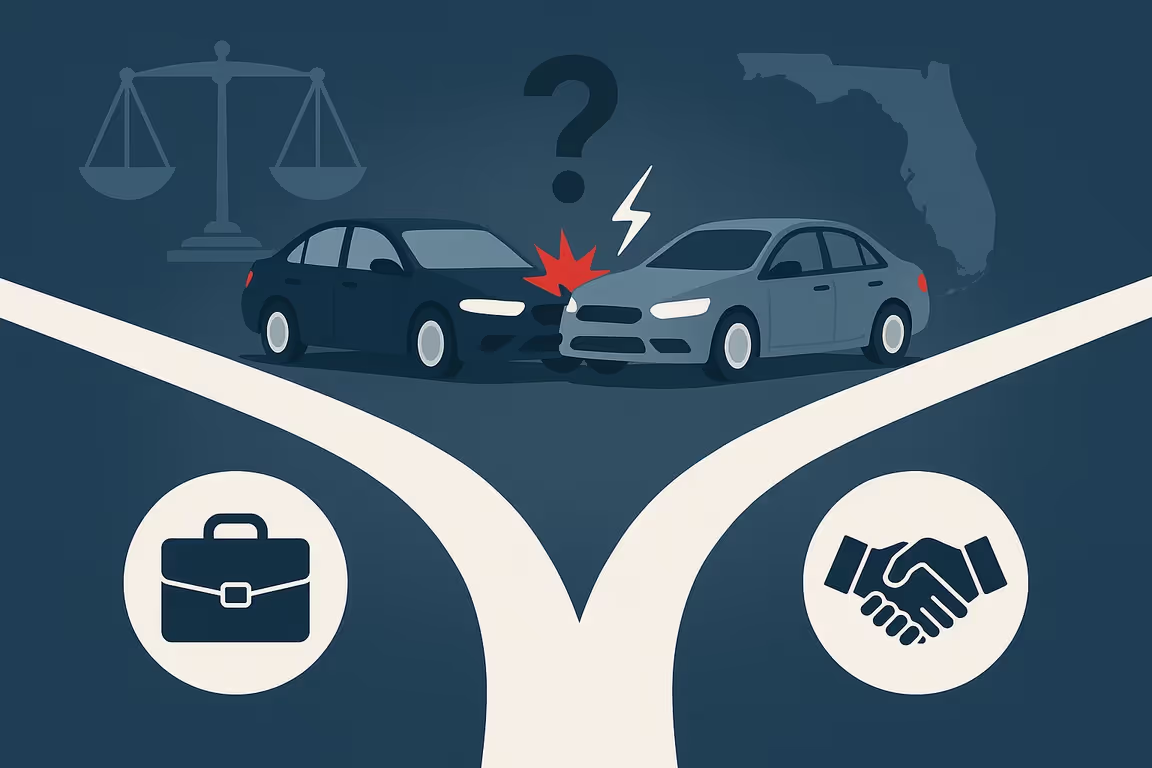
Making the Decision: Settlement or Trial?
Ultimately, the decision of whether to settle or go to trial belongs to you. Your attorney’s role is to give you the information, analysis, and honest advice you need to make that choice with confidence.
Here’s what to weigh as you consider your options. A settlement guarantees a specific outcome and avoids the uncertainty of a jury verdict. Trials carry risk including the possibility of receiving nothing, but they can also produce significantly larger awards, especially in cases involving serious or catastrophic injuries. Settlements are faster and less expensive. Trials take time, often one to three years after filing, and they involve additional costs such as expert witness fees, court costs, and extended attorney preparation.
Your emotional readiness matters too. Trials require testimony, cross-examination, and reliving the details of your accident in a public setting. For some people, having their story heard by a jury provides a sense of justice and closure. For others, the stress of a courtroom isn’t worth it when a fair settlement is on the table.
The most important factor is whether the settlement offer fairly compensates you for everything you’ve lost and everything you’ll continue to face. If it does, settling is often the wise choice. If it doesn’t, you deserve an attorney who is ready and willing to fight for you in court.
At Douglas R. Beam, P.A., we prepare every case as if it’s going to trial. That mindset is what drives our results, and it’s what gives our clients the confidence to make the right decision, whatever that looks like for their unique situation. If you’ve been injured and want to understand your options, contact us for a free consultation.
Sources
- U.S. Department of Justice, Bureau of Justice Statistics: Civil Bench and Jury Trials in State Courts
- U.S. Department of Justice, Bureau of Justice Statistics: Tort Cases in Large Counties
- Florida Legislature: HB 837, Civil Remedies
- Laws of Florida, Chapter 2023-15
- Florida Statute 768.81: Comparative Fault
- Florida Statute 95.11: Limitations Other Than for the Recovery of Real Property
- Florida Statute 69.071: Number of Jurors
This article provides general information and is not a substitute for legal advice. Laws can change, and the details of your situation matter. For personalized guidance, please contact a qualified Florida personal injury attorney.
Not Sure What To Do Next? We Can Help: Fast & Free.
.webp)


Worried About Your Injury Case?
We'll Review It - Free

Don’t miss an article
Florida law, local insights, and the occasional dog pic.
Delivered straight to your inbox.
More articles
Browse all articles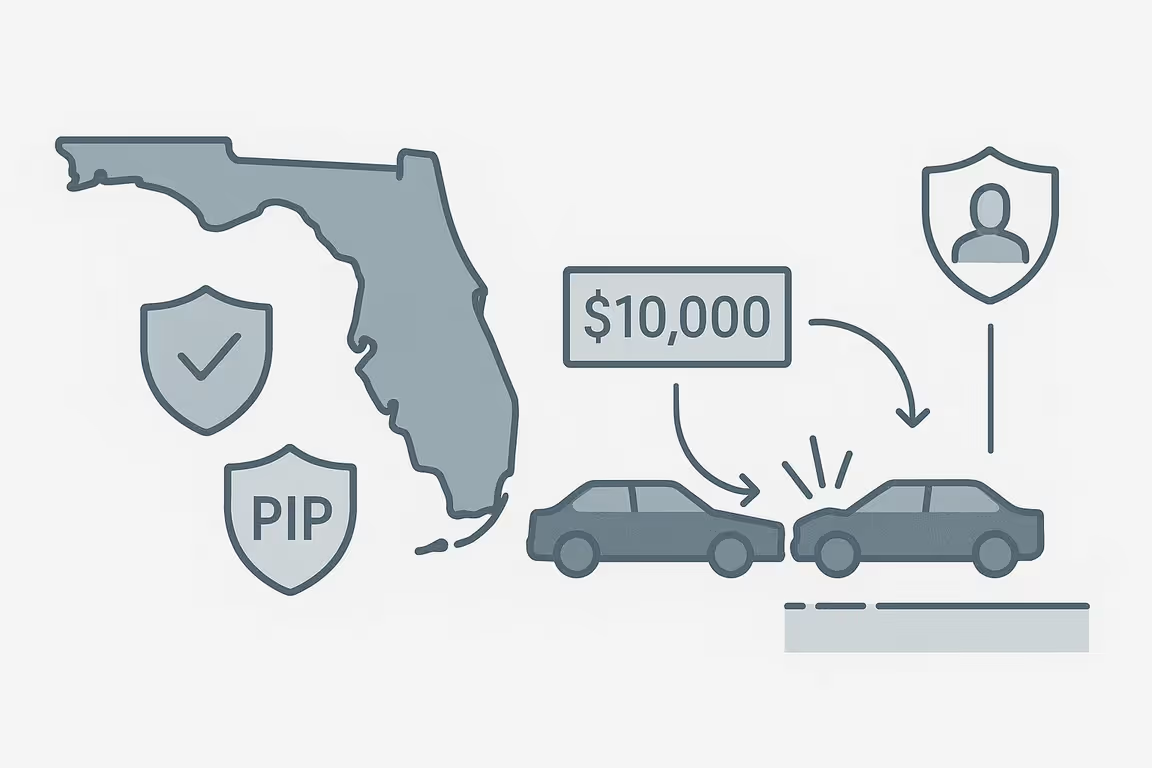


Free Case Review
Get a complimentary review of your case