
The Personal Injury Claims Process in Florida: A Step-by-Step Guide
Learn the Florida personal injury claims process from accident to settlement. Understand timelines, deadlines, and what to expect at every stage.
.webp)
Riley Beam
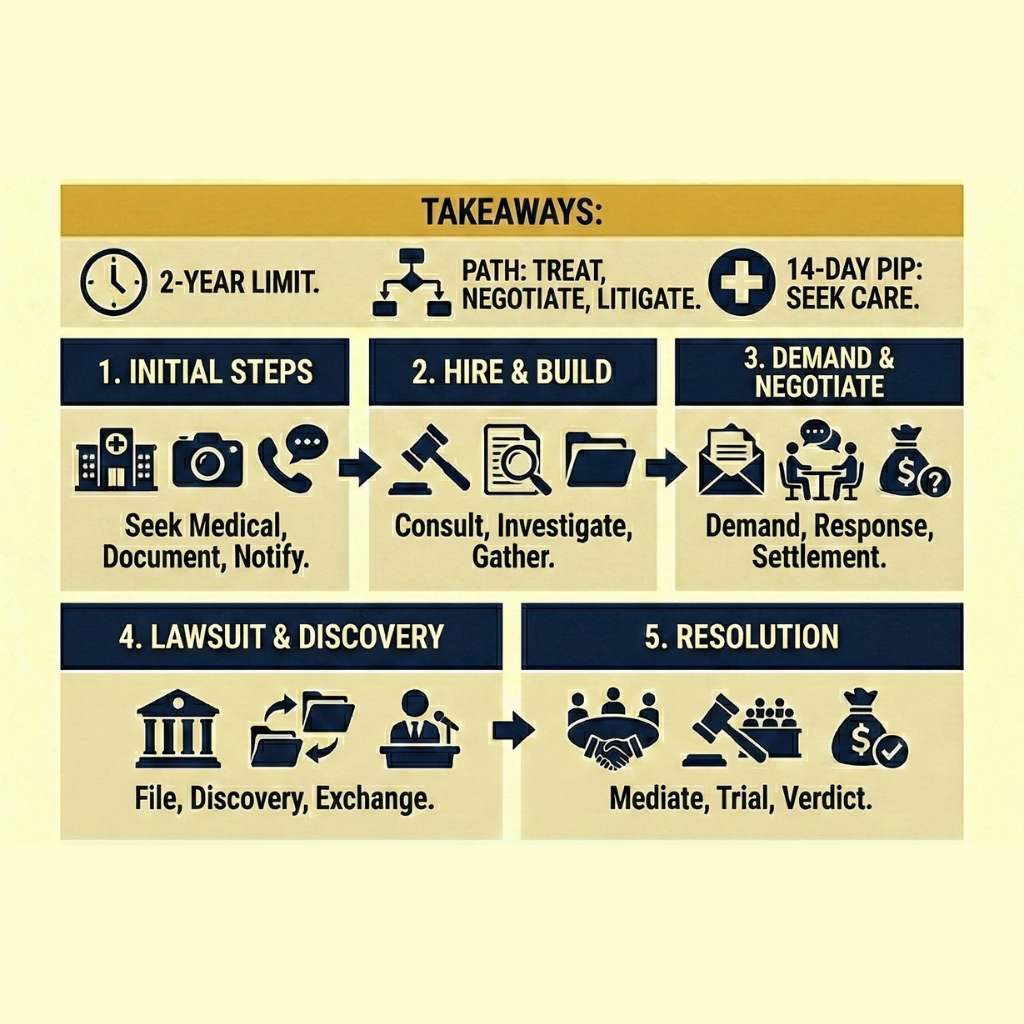
- Florida's two-year statute of limitations, enacted through HB 837 in March 2023, means accident victims must act quickly to preserve their legal rights and file a personal injury lawsuit before the deadline expires.
- Most Florida personal injury claims follow a predictable path, from medical treatment and evidence gathering through demand letters, insurance negotiations, and potentially litigation. On average cases resolve in nine to eighteen months.
- Florida's no-fault insurance system requires you to seek medical care within 14 days of an auto accident to qualify for Personal Injury Protection (PIP) benefits, making immediate medical attention both a health priority and a legal necessity.
Worried About Your Injury Case? We'll Review It - Free!

After the Accident: Your First Steps Matter Most
The minutes, hours, and days immediately following an accident set the foundation for everything that happens in your personal injury claim. What you do right now, while you may still be shaken, confused, or in pain, can directly shape whether your case succeeds or fails months down the road.
Seek Medical Attention Immediately
Your health is the top priority, but prompt medical care also serves a critical legal function. If you were involved in a motor vehicle accident in Florida, you must seek medical treatment within 14 days to qualify for Personal Injury Protection (PIP) benefits. This requirement comes from Florida Statute § 627.736, which mandates that initial care must be provided by a licensed physician, dentist, chiropractor, or at a hospital or emergency facility. PIP covers 80 percent of reasonable medical expenses up to $10,000, but only if you meet that 14-day window.
Even beyond the PIP deadline, gaps in medical treatment can seriously undermine your case. Insurance companies routinely argue that delayed medical visits mean your injuries either weren't caused by the accident or weren't as serious as you claim. Follow your doctor's treatment plan, attend every appointment, and keep thorough records of all care you receive.
Document Everything at the Scene
If you are physically able to do so after the accident, begin gathering evidence right away. Use your phone to photograph the accident scene from multiple angles, including vehicle damage, road conditions, traffic signs, weather conditions, and any visible injuries. Collect contact information from all drivers, passengers, and witnesses. Note the responding officer's name and badge number, and request the police report number.
Florida law requires accident reports for crashes involving injuries, deaths, or property damage exceeding $500. If police respond, the responding officer will create an official crash report. If police do not respond, you may need to file a self-report with FLHSMV within 10 days. Obtaining a copy of the crash report is an important early step, as it becomes a key piece of evidence in your claim. For guidance on getting your report, our team has put together a detailed guide on how to get a car accident police report in Brevard County.
Notify Your Insurance Company
After receiving medical care and documenting the scene, the next step is notifying your insurance company about the accident. This initiates the claims process for your PIP benefits and puts your insurer on notice. Be factual and brief when speaking with any insurance representative. Do not speculate about fault or downplay your injuries. As we discuss in our guide on what to tell your lawyer after a car accident, early conversations with insurers can have lasting consequences for your case.
Hiring an Attorney and Building Your Case
Once you have addressed your immediate medical needs, the next stage involves consulting with a personal injury attorney and beginning a thorough investigation. The earlier you get an experienced lawyer involved, the better your chances of preserving evidence and protecting your rights, especially given Florida's shortened filing deadlines.
Why Early Legal Consultation Matters
Florida's two-year statute of limitations, codified in Florida Statute § 95.11, gives accident victims a limited window to file a personal injury lawsuit. This deadline, reduced from four years by HB 837 in March 2023, applies to most negligence-based injury claims including car accidents, slip and falls, motorcycle accidents, and other injury cases. Missing this deadline almost always bars you from recovering compensation, no matter how strong your case may be.
Most personal injury attorneys in Florida offer free initial consultations and work on a contingency fee basis, meaning you pay no attorney fees unless they recover compensation for you. During that first meeting, bring your police report, photographs, medical records, insurance information, and a written timeline of events. Your attorney will evaluate the facts of your case, assess potential liability, and explain what to expect going forward. For a deeper look at selecting the right legal team, see our guide on how to pick a personal injury lawyer.
The Investigation Phase
Once retained, your attorney begins a comprehensive investigation. This typically involves gathering police reports, medical records, and employment documentation; interviewing witnesses; reviewing any available surveillance or traffic camera footage; and, when necessary, consulting expert witnesses such as accident reconstruction specialists, medical professionals, or economists. According to the Florida Bar, attorneys are ethically obligated to conduct thorough investigations to support their clients' claims.
The investigation phase usually takes several weeks to a few months, depending on the complexity of the case. For cases involving severe injuries, your attorney may also coordinate with your doctors to fully understand the long-term impact of your injuries and project future treatment costs. In brain injury cases or catastrophic injury claims, this medical analysis can be among the most important elements of your case.
The Demand Letter and Insurance Negotiations
After the investigation is complete and your medical treatment has reached a point of stability, often referred to as "maximum medical improvement," your attorney prepares a demand letter. This document is the formal opening of settlement negotiations with the at-fault party's insurance company.
What Goes Into a Demand Letter
A demand letter is a detailed document that presents the full picture of your claim. It typically includes a description of the accident and how the other party was at fault, a summary of your injuries and medical treatment, documentation of all medical expenses incurred and projected future costs, evidence of lost wages and reduced earning capacity, and a calculation of pain and suffering and other non-economic damages. The letter concludes with a specific dollar amount that your attorney believes represents fair compensation.
A well-crafted demand letter does more than simply ask for money. It demonstrates to the insurance company that your attorney has built a strong, evidence-backed case and is prepared to take the matter to trial if necessary. This is often the stage where the strength of your attorney's investigation directly translates into leverage during negotiations.
Insurance Company Responses and Negotiation
After receiving the demand letter, the insurance company will typically respond in one of three ways: they may accept the demand, reject it entirely, or most commonly make a counteroffer. The negotiation process that follows can take weeks or even months as both sides exchange counteroffers and supporting documentation.
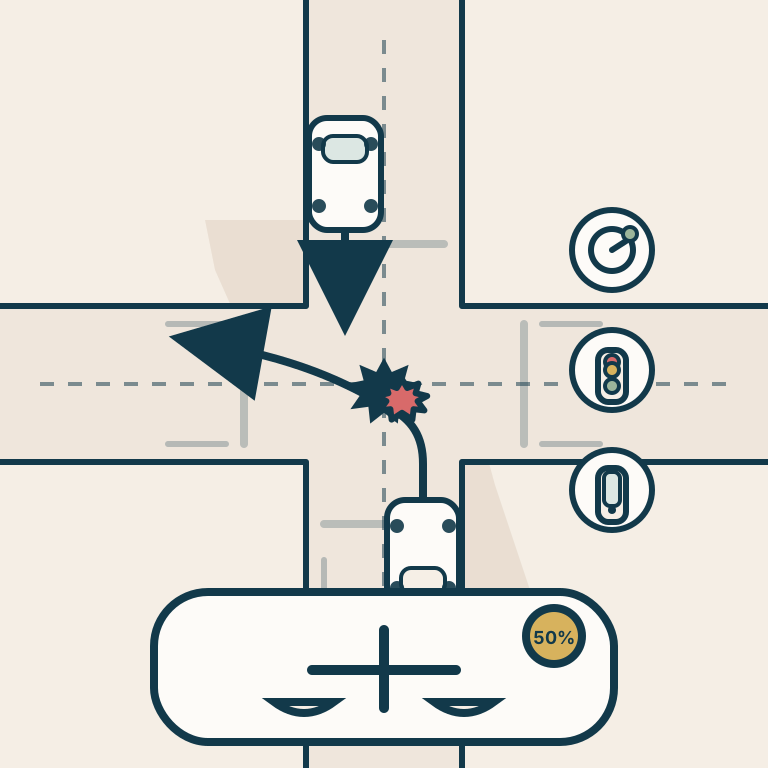
Insurance companies often employ tactics designed to minimize what they pay. They may dispute the severity of your injuries, argue that your medical treatment was excessive, or attempt to assign a greater share of fault to you. Florida's 2023 shift to a modified comparative negligence standard has given insurers additional leverage in this regard. Under the current law, if you are found to be more than 50 percent at fault for your accident, you cannot recover any compensation at all. If you bear some fault but 50 percent or less, your recovery is reduced by your percentage of responsibility. This makes the negotiation phase more high-stakes than ever and underscores the importance of having experienced legal representation.
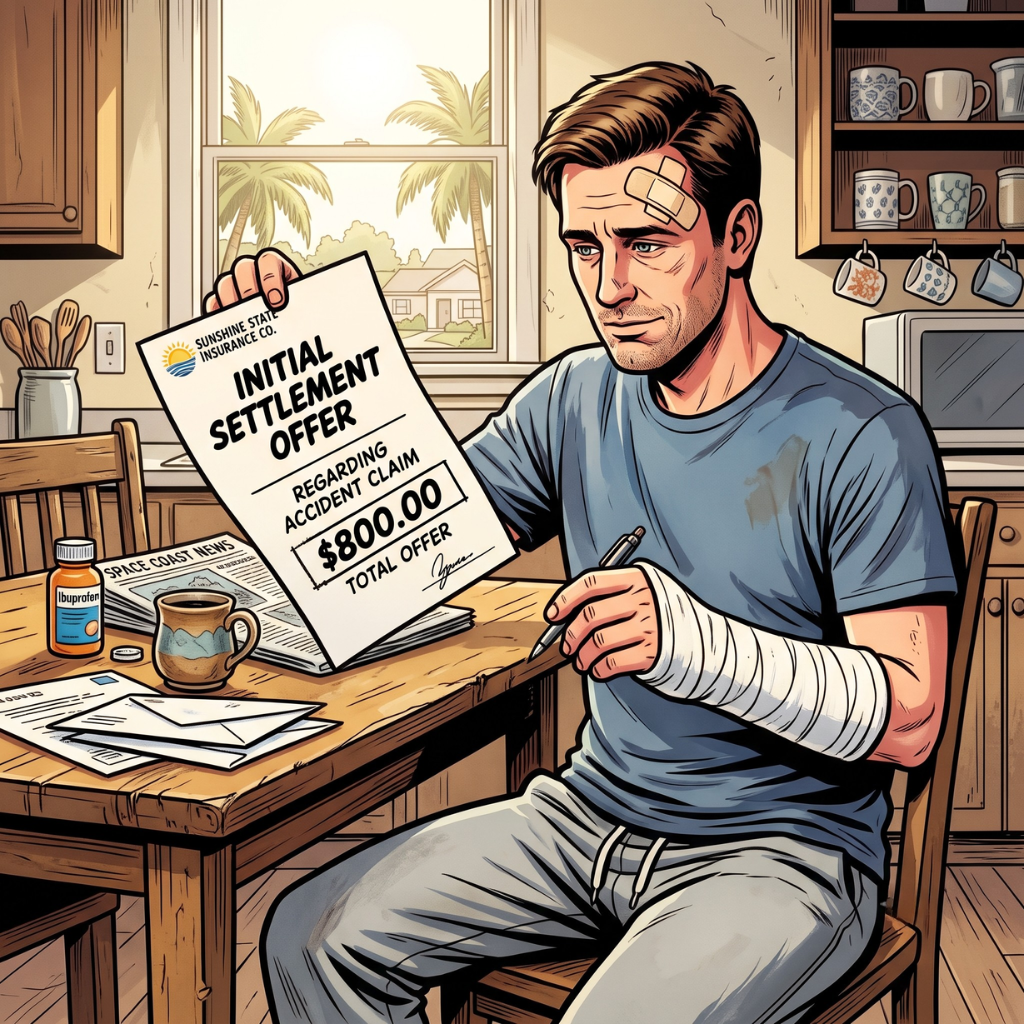
The vast majority of personal injury claims resolve during this pre-litigation negotiation stage and settle before ever reaching a courtroom. However, settling too early or accepting a lowball offer can leave you without the compensation you need for ongoing medical care, lost income, and the full impact of your injuries.
Filing a Lawsuit: When Negotiations Stall
If insurance negotiations fail to produce a fair settlement, your attorney may recommend filing a formal lawsuit. Filing a complaint with the appropriate Florida court officially begins the litigation process and preserves your legal rights under the two-year statute of limitations.
The Complaint and the Defendant's Response
The complaint is a legal document that outlines your allegations against the defendant, the facts of the case, and the damages you are seeking. Once filed, the defendant must be formally served with the lawsuit. Under the Florida Rules of Civil Procedure, the defendant generally has 20 days to file a response, known as an answer. In the answer, the defendant will typically deny responsibility for your injuries and may raise defenses, including arguing that you share fault for the accident.
Filing a lawsuit does not necessarily mean your case will go to trial. In fact, settlement negotiations often continue and sometimes intensify once litigation begins. The filing sends a clear signal that you and your attorney are serious about pursuing full compensation, which can motivate more meaningful settlement discussions.
Discovery: Exchanging Evidence
The discovery phase is one of the most important and time-consuming stages of a personal injury lawsuit. During discovery, both sides exchange evidence and information to build their respective cases. This process typically includes interrogatories (written questions each side must answer under oath), requests for production of documents such as medical records, employment files, and insurance policies, and depositions (sworn, recorded testimony from parties and witnesses).
Discovery can last several months and often reveals new evidence that strengthens or complicates either side's position. For cases involving truck accidents or other complex liability scenarios, discovery may include obtaining electronic data from vehicle "black boxes," driver logs, or corporate safety records. The information uncovered during discovery frequently shapes the trajectory of settlement negotiations moving forward.
Mediation, Trial, and Resolution
Before a case reaches trial, Florida courts typically require or strongly encourage mediation. This alternative dispute resolution method gives both parties one more opportunity to resolve the case without the time, expense, and uncertainty of a jury trial.
Mediation: A Structured Settlement Conference
Mediation involves a neutral third-party mediator who works with both sides to facilitate a settlement. The process is confidential and non-binding, meaning neither side is forced to accept an outcome. However, mediation has a strong track record of success. Many cases that seemed destined for trial are resolved during mediation, often because the structured setting helps both parties realistically assess the strengths and weaknesses of their positions.
Your attorney will prepare a strategic mediation presentation that includes evidence of liability, the full extent of your damages, and relevant legal arguments. For cases involving wrongful death or catastrophic injuries, attorneys may work with specialized mediators who have experience valuing complex, high-stakes claims. Our guide to wrongful death lawsuits in Florida explains additional considerations for families navigating these devastating cases.
Going to Trial
If mediation does not produce an acceptable resolution, the case proceeds to trial. Personal injury trials in Florida can last anywhere from a few days to several weeks, depending on the complexity of the case. During trial, both sides present evidence, call witnesses, and make legal arguments before a judge or jury. The jury then determines whether the defendant is liable for your injuries and, if so, how much compensation you should receive.
Trial outcomes are inherently uncertain, but having an attorney with real courtroom experience can make a significant difference. Jury members evaluate not just the evidence but also the credibility and preparedness of the legal teams presenting it. At Douglas R. Beam, P.A., we're led by Doug Beam, the 2025 president of the National Trial Lawyers, and Riley Beam, the 2023 president of the National Trial Lawyers 40 Under 40. Our attorneys have tried over 150 jury trials and recovered more than $1 billion for injured clients across Florida.
After the Verdict: Appeals and Collection
If you receive a favorable verdict, the process may not end immediately. The losing party has the right to appeal, and the appellate process can add another year or more to the timeline. If the verdict is upheld and no appeal is filed, the final step is collecting your compensation. In most cases, the defendant's insurance company issues payment directly. If the defendant refuses to pay, your attorney may need to pursue additional legal steps to enforce the judgment.
Understanding the Timeline and Protecting Your Rights
Every personal injury case follows its own timeline based on the specific facts involved, but understanding the general framework helps you know what to expect and where your case stands at any given moment.
Typical Case Timelines
Straightforward cases with clear liability and moderate injuries may resolve in as little as three to six months through pre-litigation negotiations. More complex cases involving disputed liability, severe injuries, or multiple defendants commonly take one to two years. Cases that proceed through trial and potential appeals can extend even longer. The average case resolves within nine to eighteen months.
Several factors influence the timeline of your case. The severity of your injuries and the length of your medical treatment play a major role. Your attorney will generally want to wait until you reach maximum medical improvement before finalizing a settlement to ensure all future medical costs are accounted for. The willingness of the insurance company to negotiate in good faith, the complexity of liability issues, and the local court's scheduling also affect how long your case takes.
Key Deadlines to Remember
Florida's personal injury laws impose several critical deadlines that can make or break your claim. The 14-day PIP rule requires you to seek medical care within two weeks of an auto accident to qualify for no-fault insurance benefits under Florida Statute § 627.736. The two-year statute of limitations under Florida Statute § 95.11 sets the deadline for filing a personal injury lawsuit. And if your case involves a government entity, special notice requirements and a 180-day investigation period apply.
The personal injury claims process can feel overwhelming when you are dealing with pain, lost income, and mounting bills. But you do not have to navigate it alone. If you have been injured in an accident in Florida, contact our team for a free, no-obligation consultation. At Douglas R. Beam, P.A., we handle every detail of the claims process so you can focus on what matters most: your recovery. For more information on what a personal injury lawyer does at each stage, visit our comprehensive guide on what a personal injury lawyer does in Florida.
Sources
- Florida Statute § 627.736 — Required Personal Injury Protection Benefits
- Florida Statute § 95.11 — Statute of Limitations
- Florida HB 837 — Civil Remedies
- FLHSMV Traffic Crash Facts Annual Report (2023)
- Nolo — Florida Personal Injury Laws and Statutes of Limitations
- The Florida Bar — Florida Rules of Civil Procedure
This article provides general information and is not a substitute for legal advice. Laws can change, and the details of your situation matter. For personalized guidance, please contact a qualified Florida personal injury attorney.
Not Sure What To Do Next? We Can Help – Fast & Free.
.webp)


Worried About Your Injury Case?
We'll Review It - Free

Don’t miss an article
Florida law, local insights, and the occasional dog pic.
Delivered straight to your inbox.
More articles
Browse all articles




.png)
Free Case Review
Get a complimentary review of your case