
Can You Sue for Loss of Enjoyment of Life in Florida?
Lost the activities you loved after a Florida injury? Learn how to sue for loss of enjoyment of life, what it covers, how to prove it, and key deadlines.
.webp)
Riley Beam
- Loss of enjoyment of life is a recognized non-economic damage in Florida personal injury cases, awarded for the activities and experiences a person can no longer enjoy after a negligence-caused injury.
- Car accident victims must first meet Florida's serious-injury threshold under Florida Statute 627.737 before they can recover for loss of enjoyment of life.
- Building a strong claim takes careful "before-and-after" evidence, including medical records, witness testimony, and documentation of how daily life has changed.
Worried About Your Injury Case? We'll Review It - Free!

What Does "Loss of Enjoyment of Life" Mean Under Florida Law?
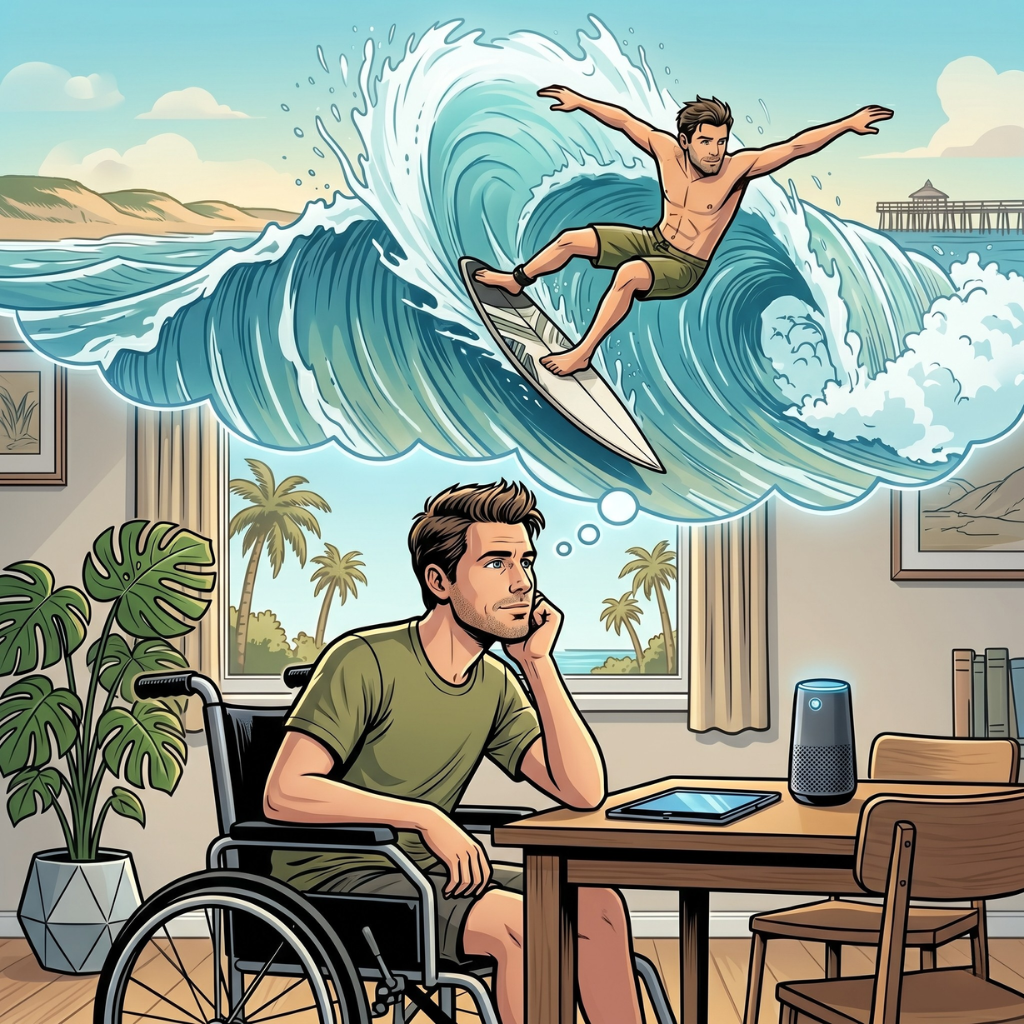
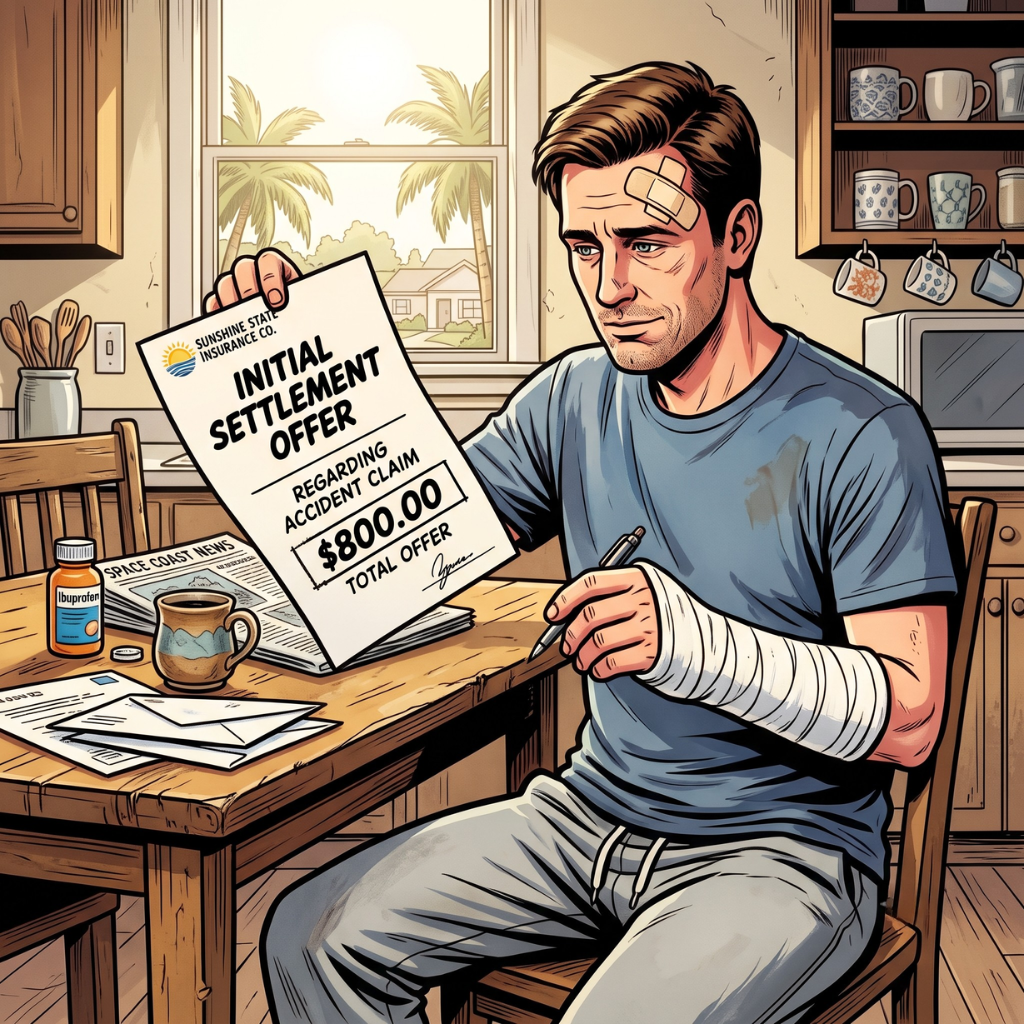
After a serious accident, many people grieve the small things first: the morning runs, the way they used to pick up a grandchild, the hours spent gardening or fishing. When those activities slip away because of someone else's negligence, Florida law recognizes that something real and valuable has been lost. The legal term is "loss of enjoyment of life," and Florida treats it as a category of non-economic damages an injured person can recover in a personal injury claim.
Under Florida Standard Jury Instruction 501.2, juries are told they may compensate an injured plaintiff for "loss of capacity for the enjoyment of life in the past or to be experienced in the future." That language gives juries broad authority to consider how a serious injury has changed the way a person lives, plays, and connects with others.
How Loss of Enjoyment of Life Fits Into a Personal Injury Claim
Florida personal injury damages fall into two broad categories: economic and non-economic. Economic damages cover the financial losses you can document with bills and pay stubs, like medical expenses, future care costs, and lost wages. Non-economic damages cover the human side of an injury, including physical pain, mental anguish, and loss of enjoyment of life.
Where It Differs From Pain and Suffering
In everyday conversation, "pain and suffering" gets used as a catch-all term. Florida law is more specific. Pain and suffering refers to the physical discomfort and general emotional distress caused by an injury. Loss of enjoyment of life zeroes in on the hobbies, activities, and experiences that have been taken away. The two often overlap, and many cases also involve emotional distress claims that bring their own legal requirements.
The Cases Where It Comes Up Most
Loss of enjoyment of life damages appear in many types of injury claims, especially those involving lasting or permanent harm. Examples include traumatic brain injuries, spinal cord injuries leading to paraplegia or quadriplegia, severe burns or disfigurement, permanent orthopedic injuries, and the loss of vision, hearing, or other senses. The more profoundly an injury changes daily life, the more weight juries tend to give these damages.
The Florida No-Fault Threshold for Car Accident Cases
Florida is a no-fault auto insurance state. After a car accident, most claims start with your own Personal Injury Protection (PIP) coverage. To step outside the no-fault system and recover non-economic damages like loss of enjoyment of life, Florida Statute 627.737 requires you to meet a serious injury threshold.
That statute allows a car accident plaintiff to recover damages "for pain, suffering, mental anguish, and inconvenience" only when the injury consists at least in part of one of three qualifying conditions: significant and permanent loss of an important bodily function, permanent injury within a reasonable degree of medical probability (other than scarring or disfigurement), or significant and permanent scarring or disfigurement. Only one of these has to apply, but you have to have at least one before you can pursue non-economic damages from the at-fault driver.
Court Decisions Have Confirmed This Rule
Florida appellate courts have applied this threshold to loss of enjoyment of life claims specifically. In decisions like Smiley v. Nelson (Fla. 2d DCA 2001) and Giles v. Luckie (Fla. 1st DCA 2002), courts rejected the argument that loss of enjoyment of life damages should be available without meeting the threshold. So in a car accident case, you generally cannot recover for loss of enjoyment of life unless your injuries qualify under one of the three categories above.
Other Personal Injury Cases
This statutory threshold applies only to motor vehicle accidents. For other claims, including premises liability, slip-and-fall, product liability, dog bites, and medical malpractice, there is no PIP threshold standing in the way of non-economic damages. The injury still has to be serious enough to support a meaningful award, but you do not have to clear the same statutory bar.
What It Takes to Prove Loss of Enjoyment of Life
Because loss of enjoyment of life is intangible, proving it takes more than a stack of medical records. The goal is to give a jury a clear picture of who you were before the injury and how the injury has changed your life. We approach this work by building a careful "before-and-after" story.
The Evidence That Builds a Strong Claim
A strong claim usually rests on several layers of evidence working together. Medical records and physician testimony establish the functional limitations and the permanence of the injury. Personal testimony from the injured person paints a picture of daily life before and after the accident. Family, friends, and coworkers describe routines, hobbies, and personality in ways that records alone cannot. Photographs and videos showing you engaged in activities you can no longer do bring the loss to life for a jury. Expert testimony from physicians, vocational specialists, or life-care planners can then put those limitations in clinical and economic context, tying the human story to the medical reality.
Watching Out for Insurance Tactics
Insurance companies routinely try to discredit non-economic claims by combing through social media for posts that suggest the plaintiff is "still enjoying life." A single smiling photo at a birthday party can be twisted out of context. Careful documentation and clear guidance from your attorney are essential to keep these tactics from undermining a legitimate claim.
How Damages Are Calculated and What Affects Their Value
Florida does not give juries a strict formula for valuing loss of enjoyment of life. Florida Standard Jury Instruction 501.2 simply tells jurors that the award should be "fair and just in the light of the evidence." That leaves the value of any given case to the jury's judgment, guided by the strength of the proof.
Factors That Drive the Value Up or Down
Several factors tend to push the value of a loss-of-enjoyment claim higher. The severity and permanence of the injury matter most, followed by the age of the injured person (since a younger plaintiff faces more years of impairment), the pre-injury activity level, the strength of the evidence, and the defendant's degree of fault.
Common Calculation Methods
Lawyers and adjusters often use one of two informal methods to estimate value. The "multiplier method" multiplies economic damages by a number, usually between 1.5 and 5, based on injury severity. The "per diem method" assigns a daily dollar value to the loss and multiplies by the number of days affected. Neither is required by Florida law. They are simply starting points for negotiation.
Florida's Comparative Negligence Rule
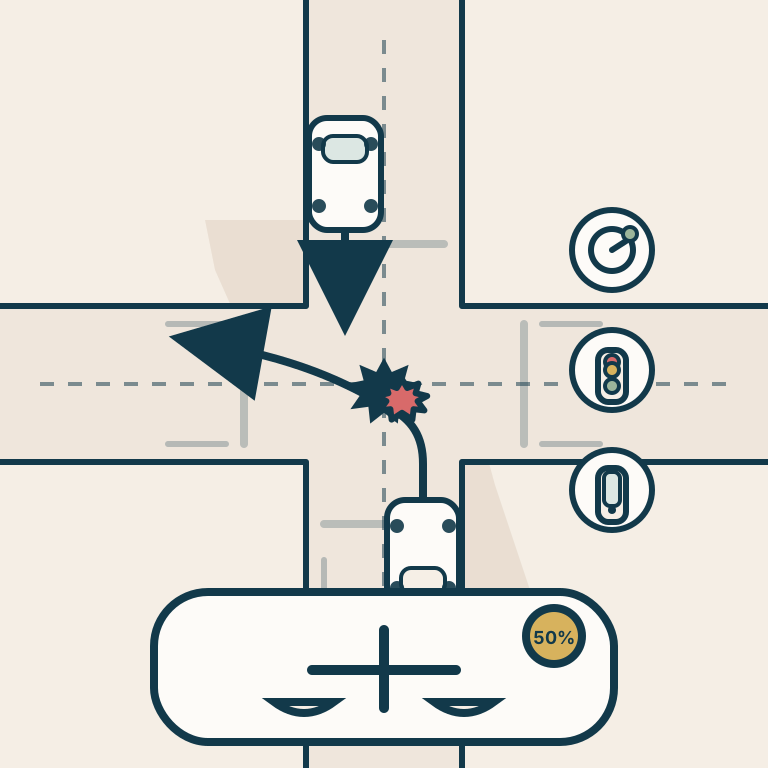
Under the modified comparative negligence law passed as part of House Bill 837 in 2023, your damages are reduced by your share of fault. If you are found more than 50 percent at fault, you cannot recover anything at all. That is a sharp change from Florida's prior pure comparative negligence system, and it makes building a strong liability case more important than ever.
Key Deadlines, Wrongful Death, and Why an Experienced Attorney Matters
Time is one of the biggest threats to your right to recover. As part of the 2023 tort reform package, Florida shortened the statute of limitations for most negligence-based personal injury claims from four years to two years for accidents occurring on or after March 24, 2023. Missing that deadline almost always means losing the right to sue.
Wrongful Death Cases Work Differently
Florida does not allow loss of enjoyment of life damages in wrongful death cases. The Florida Wrongful Death Act provides its own categories of compensation, such as loss of companionship, mental pain and suffering, lost support, and lost services. Surviving relatives still have meaningful recovery options, just under a different legal framework.
Why You Need an Experienced Trial Lawyer
Loss of enjoyment of life is one of the easiest categories for insurance companies to undervalue. There is no receipt to wave in front of a jury. The case has to be told as a story, supported by careful evidence and presented by a lawyer who has been through this many times before. At Douglas R. Beam, P.A., we have spent more than three decades helping Floridians prove the full human impact of their injuries, with results that reflect the difference careful preparation can make. If a serious injury has changed the way you live, contact us for a free consultation. You owe nothing unless we win.
Sources
- Florida Statute 627.737 — Tort exemption; limitation on right to damages; punitive damages
- The Florida Bar — Florida Standard Jury Instructions in Civil Cases
- House Bill 837 (2023) — Civil Remedies
- Florida Statute 768.21 — Damages (Wrongful Death Act)
- Florida Statute 768.81 — Comparative fault
This article provides general information and is not a substitute for legal advice. Laws can change, and the details of your situation matter. For personalized guidance, please contact a qualified Florida personal injury attorney.
Not Sure What To Do Next? We Can Help – Fast & Free.
.webp)


Worried About Your Injury Case?
We'll Review It - Free

Don’t miss an article
Florida law, local insights, and the occasional dog pic.
Delivered straight to your inbox.
More articles
Browse all articles

.png)
Free Case Review
Get a complimentary review of your case