
Florida Golf Cart Laws: Complete 2026 Guide for Melbourne Residents
Learn Florida's 2026 golf cart laws, including age rules, license needs, and local Melbourne rules. Legal guidance from Douglas R. Beam, P.A.

Riley Beam
- Florida enacted significant changes to golf cart laws in 2023, now requiring operators under 18 to possess at least a valid learner's permit and operators 18 and older to carry a valid government-issued photo ID, a substantial change from previous laws that allowed operators as young as 14.
- Standard golf carts and Low-Speed Vehicles (LSVs) have different legal classifications with distinct requirements: golf carts cannot exceed 20 mph and have minimal regulations, while LSVs (20-25 mph) require registration, insurance, and operation by a licensed driver.
- While insurance isn't legally required for standard golf carts in Florida, operators remain fully liable for damages and injuries they cause, creating significant financial risk that makes golf cart insurance strongly recommended despite not being mandatory.
Worried About Your Injury Case? We'll Review It - Free!
Golf carts have become a popular mode of transportation throughout Melbourne and Brevard County, offering convenient mobility in retirement communities, beachside neighborhoods, and resort areas. Knowing Florida's golf cart laws is more important than ever. That is true most of all after big changes to the law in 2023. Many people here still don't know about them. Operating these vehicles without proper knowledge of current regulations can lead to serious legal consequences, citations, and even compromise your safety on the road.
At Douglas R. Beam, P.A., our Melbourne personal injury attorneys have extensive experience handling golf cart-related accidents and legal issues throughout Brevard County. Our team has witnessed firsthand how confusion about golf cart laws can lead to preventable accidents and complicated legal situations. This comprehensive guide clarifies the most confusing aspects of Florida's golf cart laws, with special attention to Melbourne-specific regulations.
Understanding Golf Cart Classifications in Florida
What Legally Constitutes a Golf Cart in Florida
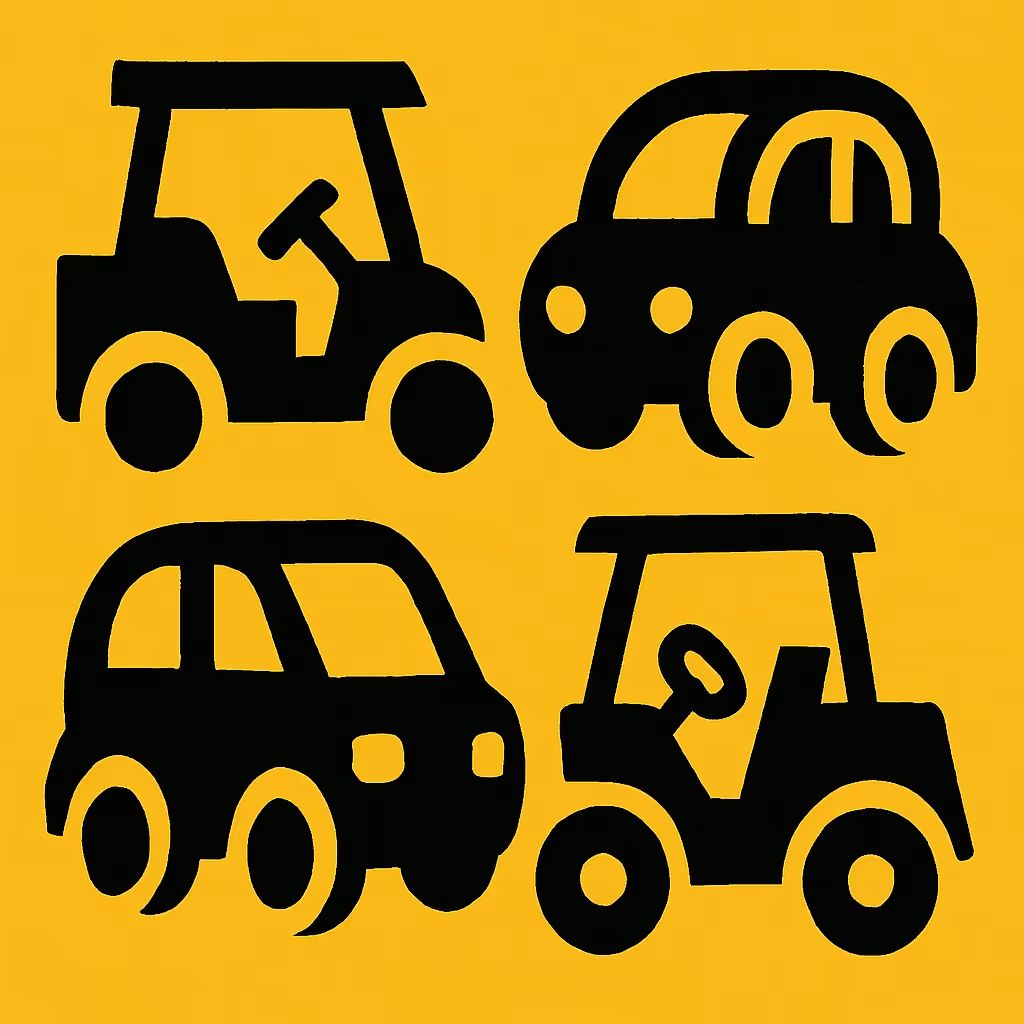
In Florida, a golf cart is legally defined as "a motor vehicle that is designed and manufactured for operation on a golf course for sporting or recreational purposes and that is not capable of exceeding speeds of 20 miles per hour." By design, standard golf carts cannot exceed 20 mph. This specific legal classification is important because many vehicles that resemble golf carts might actually fall under different legal categories with distinct requirements.
Golf Carts vs. Low-Speed Vehicles (LSVs): Critical Differences
Low-Speed Vehicles (LSVs) are often confused with standard golf carts but are classified differently under Florida law. LSVs can reach speeds between 20-25 mph and face substantially different legal requirements. Unlike standard golf carts, LSVs require registration with the Florida Department of Highway Safety and Motor Vehicles, proper insurance coverage, and operation by a licensed driver.
Modified golf carts that exceed 20 mph must be registered as LSVs, bringing them under stricter regulatory standards. This distinction is crucial when determining liability in accident cases, which our golf cart accident lawyers in Melbourne can help clarify if you've been involved in an incident.

Where You Can Legally Drive a Golf Cart in Florida
Designated Golf Cart Roads and Areas
Golf carts may only be operated on roads that have been specifically designated for golf cart use with proper signage. In general, standard golf carts may only use roads with speed limits of 30 mph or less. Golf carts may also cross a state highway where it meets a county road or city street designated for golf carts. But first, the Florida Department of Transportation must review and approve the crossing.
Low-speed vehicles (LSVs) have greater access to public roads and can be operated on streets with speed limits up to 35 mph. When navigating the complex rules about where golf carts can operate, our Melbourne injury attorneys can provide guidance specific to Melbourne's designated areas.
Private Property and Gated Communities
Different rules may apply on private property and within gated communities, where homeowners' associations often establish their own golf cart regulations. Local governments and community associations may have their own golf cart rules. These rules may be stricter than state law. They may require you to register your cart or get a safety check. They may also limit use to certain times of day.
Age and Licensing Requirements (2026 Update)
How Old Must You Be to Drive a Golf Cart in Florida?
One of the most significant changes to Florida's golf cart laws came in 2023, when the minimum age requirements were updated. Currently, operators under 18 years of age must possess at least a valid learner's permit to legally operate a golf cart on public roads. This represents a substantial change from previous laws that allowed operators as young as 14.
The law now requires anyone under 18 to hold a valid learner's license (available at 15) or driver license (available at 16). It also added a requirement for adults: operators 18 or older must carry a valid government-issued photographic identification, such as a Florida ID card or driver license, even though they are not required to hold a driver license.
Do You Need a Driver's License for a Golf Cart?
For adults 18 and older, no specific driver's license is required to operate a standard golf cart on designated roads in Florida. However, under the 2023 law, operators 18 and older must still carry a valid government-issued photo ID. This exemption only applies to standard golf carts on properly designated roads. If you're operating a low-speed vehicle (LSV), a valid driver's license is required regardless of age.
Understanding these distinctions is essential, as violations can result in citations and potential liability issues. If you're facing legal challenges related to golf cart operation, our Melbourne traffic violation lawyers can help navigate these complex regulations.
Operating Golf Carts at Night: Special Requirements
Daytime vs. Nighttime Operation Rules
Standard golf carts may only be driven in daylight, from sunrise to sunset. They may be driven at night only if two things are true. The city or county has approved it. And the golf cart has headlights, brake lights, turn signals, and a windshield. Violations can result in citations.
The daytime-only restriction exists because standard golf carts lack the necessary visibility features to ensure safe operation after dark.
Required Equipment for Night Operation
Golf carts may be driven at night only where the city or county has approved nighttime operation, and only if they are equipped with headlights, brake lights, turn signals, and a windshield. Without that local approval, even a fully equipped golf cart is limited to daytime use.
If you're planning to operate your golf cart after sunset, it's essential to ensure all required equipment is properly installed and functioning. Aftermarket modifications should meet all regulatory standards to avoid potential liability issues.
Safety Equipment Requirements
Standard Golf Cart Safety Equipment
During daytime operation, standard golf carts have minimal required safety equipment under Florida law. However, safety experts and our product liability attorneys in Melbourne strongly recommend extra features. By law, golf carts on public roads must have some gear. They need efficient brakes, sound steering, safe tires, and a rearview mirror. They also need red reflectors on the front and rear. Beyond those, these add-ons can make a cart much safer:
- Seatbelts for all passenger positions
- Side mirrors
- Extra reflective tape
- Horn or audible warning device
These safety enhancements can help prevent accidents and potentially reduce liability in the event of an incident.
Low-Speed Vehicle (LSV) Required Equipment
Low-speed vehicles have more comprehensive equipment requirements mandated by federal standards. LSVs must be equipped with:
- Headlights
- Stop lamps
- Turn signal lamps
- Taillights
- Reflex reflectors
- Parking brakes
- Rearview mirrors
- Windshields
- Seat belts
- Vehicle identification number (VIN)
It's important to note that modifying a standard golf cart to include these features may reclassify it as an LSV, requiring registration, insurance, and operation only by licensed drivers. Before making significant modifications to your golf cart, consult with an expert to understand the potential legal implications.
Insurance and Liability: Protecting Yourself and Others
Do You Need Insurance for a Golf Cart in Florida?
Standard golf carts are not required to have insurance under Florida law, but this lack of requirement doesn't eliminate liability risks. Golf cart insurance is highly recommended for all owners, as it can protect against potential lawsuits and damages resulting from accidents.
For low-speed vehicles (LSVs), Florida law requires minimum liability insurance coverage, including $10,000 in Personal Injury Protection (PIP) and $10,000 in Property Damage Liability (PDL). These requirements mirror the standard auto insurance minimums in Florida.
Home insurance is different from one company to the next. Check if your policy covers a golf cart, and where. Our Melbourne serious injury lawyers can help clients understand their insurance coverage options for golf carts and advocate for them when coverage disputes arise after an accident.
Liability in Golf Cart Accidents
Liability in golf cart accidents follows many of the same principles as other vehicle accidents in Florida. Several parties may potentially bear responsibility:
- The golf cart operator may be liable for negligent operation
- The golf cart owner may face liability even when not operating the vehicle under Florida's dangerous instrumentality doctrine
- Property owners may be liable for allowing unsafe golf cart operation on their premises
- Golf cart manufacturers or maintenance providers could be liable for defects or improper repairs
While standard golf carts don't require insurance, operators and owners remain legally liable for any damages and injuries they cause. This creates a significant financial risk for uninsured operators. Some golf carts are changed so they count as LSVs (low-speed vehicles). These must be registered, titled and insured, just like cars. The insurance must include PIP and property damage liability coverage.
If you've been involved in a golf cart accident, whether as an operator, passenger, or bystander, contact our experienced attorneys at (321) 723-6591 for a free consultation to understand your legal rights and options.
Golf Cart Accidents: What to Do and Legal Remedies
Common Causes of Golf Cart Accidents
Golf cart accidents often result from a combination of factors that operators might not anticipate:
- Operator inexperience, particularly among younger drivers
- Ignoring road rules and traffic signs
- Overcrowding the vehicle beyond its designed capacity
- Driving while intoxicated (which can result in DUI charges)
- Unsafe speeds, especially on turns or slopes
- Distracted driving, including cell phone use
- Lack of proper safety equipment
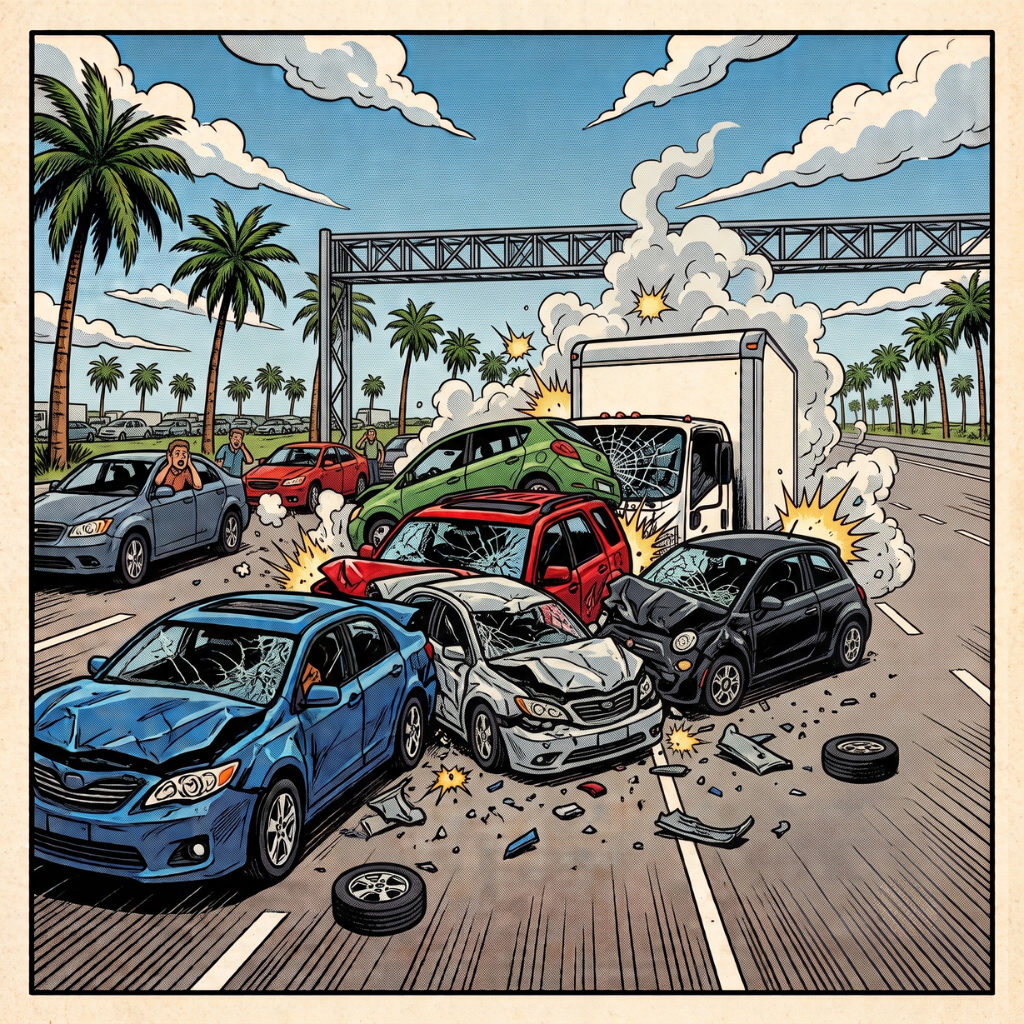
Many accidents occur because people treat golf carts less seriously than regular vehicles, despite their potential to cause significant injuries. Our Melbourne car accident attorneys handle all types of vehicle incidents, including golf cart crashes that result in serious injuries.
Steps to Take After a Golf Cart Accident
If you're involved in a golf cart accident in Melbourne or Brevard County, follow these critical steps:
- Seek immediate medical attention for any injuries
- Report the accident to local law enforcement
- Document the scene with photos and gather contact information from witnesses
- Exchange information with other parties involved
- Notify your insurance company if you have golf cart coverage
- Contact an experienced personal injury attorney
In Florida, golf cart accidents resulting in injuries or property damage of $2,000 or more must be reported to law enforcement. Florida has comparative negligence laws. Under them, what you recover can be cut if you're found partly at fault. If you're more than 50 percent at fault, you cannot recover any damages (Florida Statute § 768.81(6)).
Legal Rights for Golf Cart Accident Victims
Victims of golf cart accidents may be entitled to recover various types of damages:
- Medical expenses, including future treatment costs
- Lost wages and diminished earning capacity
- Pain and suffering (from the owner or driver of a car with PIP, only if the injury meets the permanent injury threshold)
- Property damage
- Rehabilitation costs
Your legal rights might differ depending on whether you were injured as an operator, passenger, pedestrian, or third party. Florida's legal framework for golf cart accidents involves complex considerations of negligence, insurance coverage, and local ordinances.
Don't navigate these complexities alone. Contact a Melbourne injury lawyer for a free consultation with our personal injury attorneys who understand the unique aspects of golf cart accident claims.
Local Melbourne/Brevard County Regulations and Unique Considerations
Brevard County Golf Cart Ordinances
Florida law lets counties and cities pick which roads golf carts may use and adopt stricter golf cart rules. So check the local rules (ordinances) of Brevard County and your city.
Several Melbourne neighborhoods and communities where golf carts are particularly popular include:
- Viera
- Suntree
- Baytree
- Heritage Isle
- Crane Creek
- Aquarina Beach and Country Club
- Indialantic (certain designated areas)
Each of these communities may have additional local regulations beyond county requirements. Our experienced Melbourne injury attorneys understand these local nuances and how they affect golf cart operation and accident liability.
Recent Changes and Enforcement Trends
Lawmakers keep showing interest in golf cart rules. Bills came up in Florida's 2026 legislative session. Some dealt with golf cart crossings and use. These bills could change the rules even more. As of 2026, the 2023 framework described above remains the governing law. Melbourne residents should stay informed about these potential changes and ensure their golf carts remain compliant with evolving regulations.
Frequently Asked Questions (FAQs)
Can my child drive our golf cart in our gated community?
Under current Florida law, operators under 18 must possess at least a learner's permit to legally operate a golf cart on public roads. This applies even in gated communities if the roads are public roads or streets. For private roads, community-specific rules may apply, but the state age restrictions should still be considered a minimum safety standard.
Can I drive my golf cart across A1A to get to the beach in Melbourne?
You may cross A1A in a golf cart where it meets a county road or city street designated for golf carts. But first, the Florida Department of Transportation must review and approve that crossing. These crossings are marked with specific signage. Crossing at non-designated points is illegal and extremely dangerous.
Do I need to register my golf cart with the state of Florida?
Florida's golf cart statute (Florida Statute 316.212) sets rules for where, when and by whom standard golf carts may be driven. However, your vehicle may count as a low-speed vehicle (LSV). That is the case if its top speed is more than 20 mph but not more than 25 mph. Then you must register it with the Florida Department of Highway Safety and Motor Vehicles.
Can I be charged with DUI while driving a golf cart?
Yes, Florida's DUI laws apply to golf cart operation. Operating a golf cart while under the influence of alcohol or drugs can result in the same penalties as a standard DUI, including fines, license suspension, and possible jail time.
Does my homeowner's insurance cover my golf cart?
Home insurance is different from one company to the next. Check if your policy covers a golf cart, and where. Review your policy carefully and consider dedicated golf cart insurance for comprehensive protection.
If someone else drives my golf cart and causes an accident, am I liable?
As the owner, you could potentially be held liable under Florida's dangerous instrumentality doctrine, which holds vehicle owners responsible for damages caused when they entrust their vehicle to another person. This is one reason why golf cart insurance is strongly recommended even though not legally required.
Are there specific rules for golf cart parades in Melbourne communities?
Some neighborhoods hold golf cart parades on holidays and at special events. Check whether you need a permit. Ask your community association or your city or county. Standard safety requirements still apply, though some communities may grant specific exemptions for decorations with proper advance approval.
What's the difference between a golf cart path and a golf cart crossing?
A golf cart path is a designated route specifically for golf cart travel, while a golf cart crossing is a marked intersection where golf carts are permitted to cross a road that they may not otherwise travel on. Both are indicated by specific signage approved by transportation authorities.
Conclusion
Understanding Florida's golf cart laws is essential for safe and legal operation in Melbourne and throughout Brevard County. The 2023 changes to age and adult ID requirements represent a significant update that many residents may not yet fully understand. Recognizing the distinction between standard golf carts and LSVs is crucial, as the legal requirements for each differ substantially.
While standard golf carts don't require insurance under Florida law, obtaining coverage is strongly recommended to protect against potential liability. Safety should always be your primary concern when operating these vehicles, which are often involved in serious accidents when proper precautions aren't taken.
If you've been involved in a golf cart accident or need guidance on golf cart laws in Melbourne, contact Douglas R. Beam, P.A. at (321) 723-6591 for a free consultation with our experienced personal injury attorneys.
Sources
- FL Statutes - Golf Cart Operation
- FL Statutes - Vehicle Definitions
- FL Senate - Golf Cart Laws 2024
- FLHSMV - Low-Speed Vehicles
- FL Statutes - LSV Operation
- Glover Law - FL Golf Cart Laws
- Progressive - FL Golf Cart Ins.
- Brevard County Code - Golf Carts
- FL Today - Brevard Golf Cart Laws
- FL Senate - 2025 Bill Analysis
- St. Cloud FL - Golf Cart Regs
- FL HB 519 - Golf Cart Crossings
Not Sure What To Do Next? We Can Help: Fast & Free.


Worried About Your Injury Case?
We'll Review It - Free

Don’t miss an article
Florida law, local insights, and the occasional dog pic.
Delivered straight to your inbox.
More articles
Browse all articles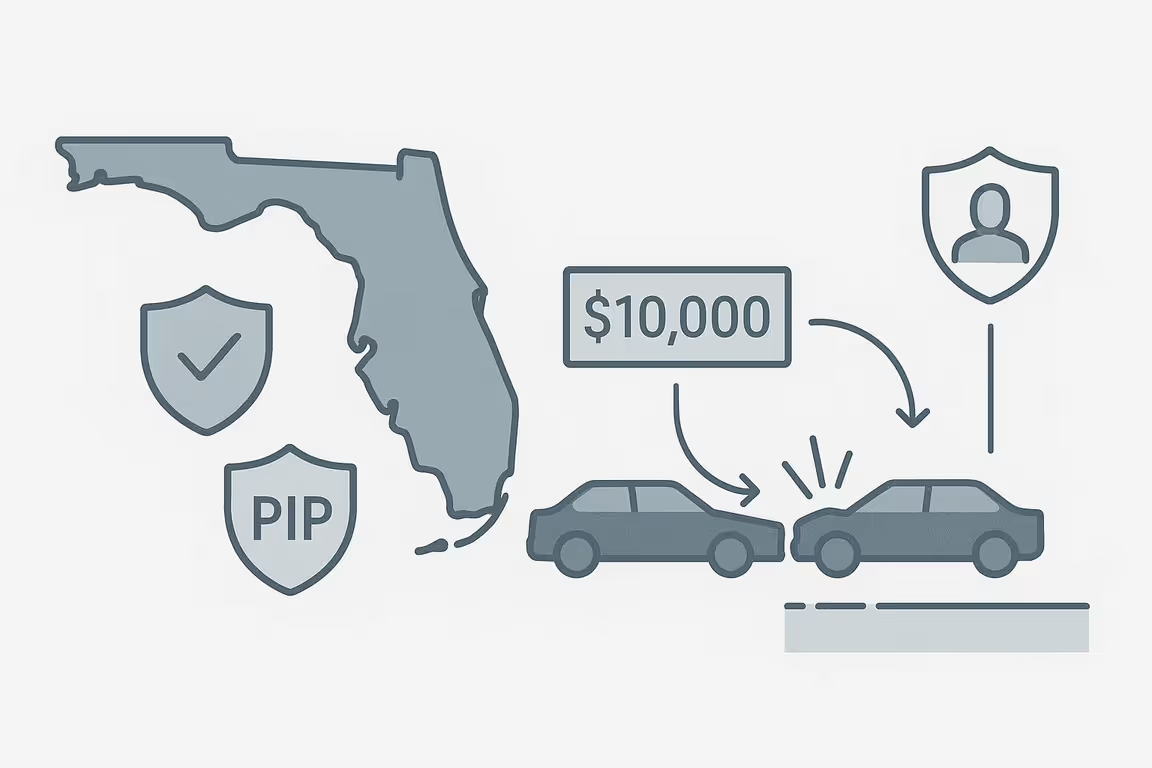


Free Case Review
Get a complimentary review of your case